Berlin and Amsterdam Boost Schakal Infantry Vehicle Fleet to 291 Units with New 69-Vehicle Order

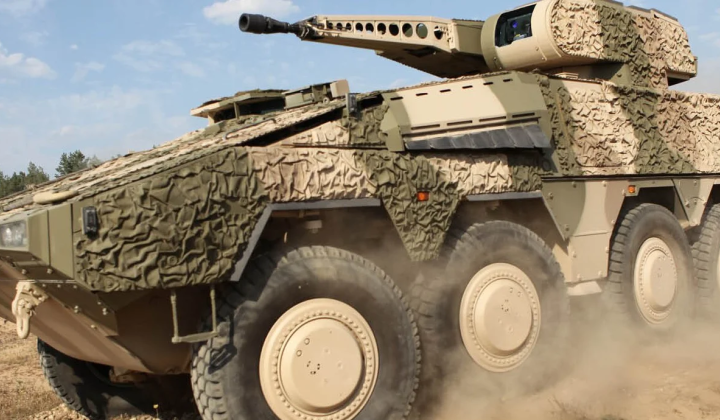
New Schakal Infantry Vehicle Order Confirmed
According to НВ — Техно: On October 30, the joint venture between Rheinmetall and KNDS Deutschland announced a fresh contract for 69 Schakal infantry fighting vehicles. Out of these, 35 will be delivered to the German Bundeswehr, while the remaining 34 are destined for the Dutch Armed Forces. Deliveries are scheduled between May 2032 and November 2033. This latest order raises the total number of Schakal vehicles ordered to 291.
Overview of the Schakal Fighting Vehicle
The Schakal infantry fighting vehicle merges the Boxer 8×8 wheeled chassis with the combat module from the tracked Puma IFV. Its primary armament includes the Rheinmetall MK 30-2/ABM 30mm automatic cannon, complemented by the MELLS anti-tank missile system. The vehicle is capable of carrying a fully equipped infantry squad, making it a versatile asset for frontline operations.
The combined value of two optional contracts linked to this program amounts to several hundred million euros. The Bundestag budget committee approved a preliminary option on June 24, 2026. The original contract with Artec, signed in October 2025, covered the production of 222 vehicles with provisions to order up to an additional 200 units. Key program partners include MTU, Hensoldt, and various small to medium enterprises.
- Standardizing on a single vehicle platform aims to streamline joint training, maintenance, logistics, and operational coordination for both the German and Dutch militaries.
This order highlights the growing commitment to enhancing cooperative defense capabilities between Germany and the Netherlands, a priority amid evolving global security challenges.
The expanded Schakal fleet likely reflects both nations’ intent to reinforce their defense readiness and improve interoperability within NATO. Such collaboration represents a significant step toward deeper military integration across Europe.

Read also