Ancient Babylonian Tablet Unearthed Near Baghdad Reveals Trade Deals Involving Beer, Barley, and Oil from Hammurabi’s Era

The Economy of Ancient Babylon
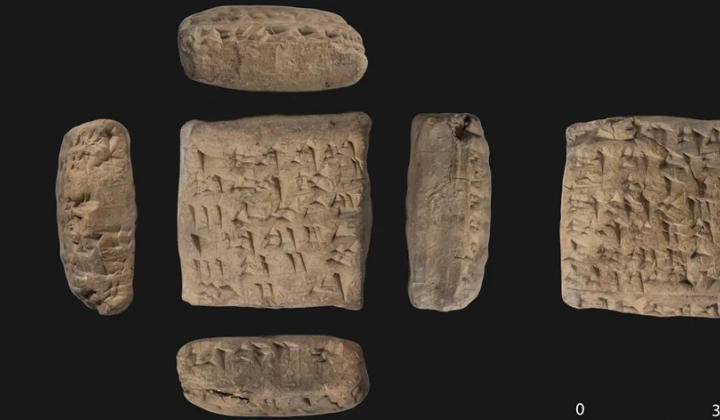
According to НВ — Техно: Near Baghdad, archaeologists uncovered a cuneiform tablet dating back to the Old Babylonian period that records commercial transactions involving beer, barley, and sesame oil.
November 19, 22:44
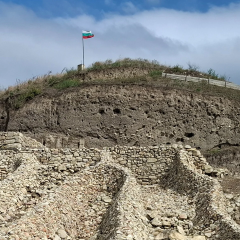
This significant discovery was made at the archaeological site of Tell Muhammad, situated on the southern outskirts of Baghdad. The tablet is believed to originate from the reign of King Hammurabi or his successor Samsu-iluna, placing it roughly between 2000 and 1595 BCE during the First Babylonian Dynasty.
Excavations at Tell Muhammad have resumed as part of the Baghdad Urban Archaeological Project, which restarted in 2022. A collaborative team from the University of Catania (Italy) and Iraq’s State Board of Antiquities and Heritage uncovered not only the tablet but also charred organic remains that will undergo detailed laboratory examination. The tablet was discovered inside a production facility featuring ovens, circular cooking structures, and a semi-circular workbench.
The cuneiform text mentions barley, sesame oil, and a type of beer called kurunûm, although it does not include any brewing recipes. Barley was a staple crop in Mesopotamia, and beer played a crucial role in both the diet and administrative record-keeping of ancient Babylonian society.
Importance of the Find
- Fortifications at Tell Muhammad include a roughly 5-meter-thick mudbrick wall.
- The site features a monumental entrance and a smaller gateway with an adjoining bastion, which shows evidence of fire damage.
The 2023 excavation season concluded at the end of October, but the Italian and Iraqi teams continue to preserve the ancient structures and prepare the site for educational visits.
This discovery offers valuable insight into the economic and domestic life of ancient Babylon, underscoring the significance of agriculture and alcoholic beverage production in antiquity.
The trade agreements documented on the tablet highlight the complexity of Mesopotamia’s economic system and emphasize the vital role certain commodities played in everyday life. Ongoing studies, including laboratory analysis of the charred remains, are expected to shed light on production and storage methods from this historical period.

Read also