Bill Gates on AI: Navigating Risks, Workforce Changes, and the Need for Regulation

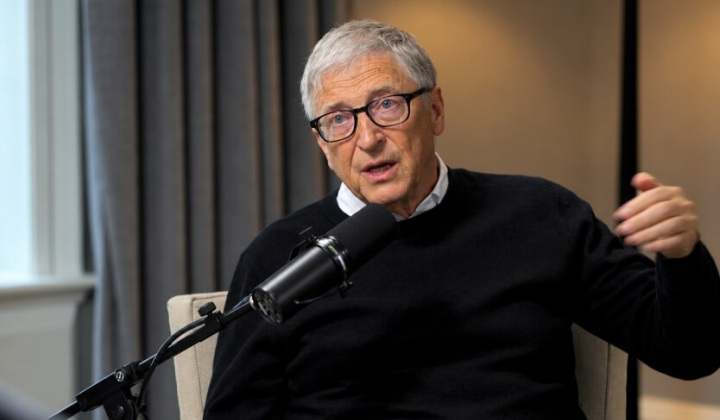
Bill Gates Discusses the Future of Artificial Intelligence
According to ХВИЛЯ: During a September 29, 2026 interview on The Ezra Klein Show, Bill Gates shared his insights on the rapid evolution of artificial intelligence (AI), highlighting both its transformative potential and the significant risks it poses. Gates emphasized that while AI has already generated more employment opportunities than it has displaced, the coming years could see automation replace jobs in fields like accounting, legal services, telemarketing, and customer support.
'If we lose control, we might create an intelligence that sees us as we see dogs or cats.' - Bill Gates
He stressed the critical importance of building safeguards and continuous monitoring into all AI systems, warning that losing control over AI development would be a grave mistake. Gates believes that mandatory oversight won’t significantly hinder technological progress. Moreover, he suggested that certain sectors, such as childcare, eldercare, healthcare, and education, should prioritize human involvement to preserve jobs.
The Broad Impact of AI Across Industries
The Gates Foundation is actively integrating AI into its initiatives, including efforts to support African languages. Gates pointed out that AI has the capacity to accelerate drug discovery, improve crop breeding, and deliver valuable advice to people worldwide. For example, over one million Indian farmers currently use AI-powered tools to combat plant diseases. He also noted the foundation’s role in helping reduce child mortality globally by more than half over the years.
Despite these advances, Gates acknowledged serious dangers associated with AI. He warned that AI could enable bioterrorists to cause mass casualties or facilitate cyberattacks capable of disrupting banking systems and power grids. According to Gates, critical security thresholds in cybersecurity and biology were breached early in 2026.
Gates also pointed out that governments have not been involved in AI development and procurement to the same extent as they have with missiles or nuclear weapons, increasing the risk of misuse. He advocates for mandatory safety measures and monitoring across all AI platforms to mitigate these threats.
On the topic of taxation, Gates proposed that if companies replace human workers with robots, those robots should be subject to similar tax contributions. This underscores the need for thoughtful regulation of AI’s impact on employment and social welfare systems.
Highlighting the societal implications, Gates called for a broader public dialogue on AI’s integration, stating that his generation faces a transition likely to span over two decades. He encouraged accelerating AI applications that can fill gaps left by traditional markets, emphasizing the technology’s potential to deliver significant benefits where human support is lacking.
Gates’ conversation with Ezra Klein underscores the urgency of balancing AI’s promising innovations with the challenges it presents. The interview reflects growing global concern about AI’s role across multiple aspects of life and signals a clear need for both technological progress and robust regulatory frameworks to ensure public safety and job preservation.
As AI continues to evolve rapidly, discussions around its ethical use and security implications are expected to intensify. This will require coordinated efforts from governments, businesses, and society at large to navigate the complex landscape ahead.
As the conversation around AI continues to evolve, Silicon Valley's discussions on superintelligent AI highlight both the potential threats to humanity and the opportunities that lie ahead. Understanding these debates is crucial as they align with Gates' insights on the need for regulation and human oversight in the face of rapid technological advancements.

Read also