Beavers Return to Loch Ness Basin After 500 Years as Ness Beaver Project Launches

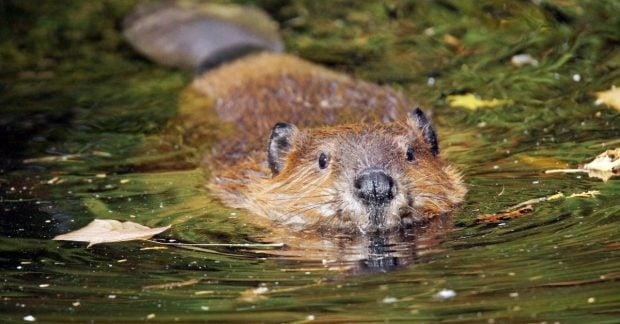
Beavers Make a Comeback in the Loch Ness Area
According to УНІАН — Туризм: For the first time in five centuries, beavers have been reintroduced to the Loch Ness basin in Scotland. This milestone was achieved through the relocation of a family of six beavers as part of the Ness Beaver Project. The initiative aims to establish at least 15 beaver families within the Loch Ness watershed over the next three years to help restore the local ecosystem.
The relocated group includes a mother, two two-year-old juveniles, and three kits born earlier this year. These beavers were captured in the Teeside region, where they had been causing difficulties for nearby farmers. With approval from NatureScot, the Scottish conservation authority, the animals underwent veterinary checks at the Five Sisters Zoo near West Calder before being released into a small lake on the 10,000-acre Dundreggan Estate.
The Ness Beaver Project is a joint effort by Trees for Life and Beaver Trust, who hope to establish a sustainable beaver population around Loch Ness. Steve Micklewright described the moment as "a wonderful sight to witness the beavers settling into their natural habitat," noting their calmness and ease in their new surroundings as the young ones swam nearby.
Environmental Impact and Benefits
Beavers were hunted to extinction in the Loch Ness area roughly 500 years ago. Since the first official attempt to reintroduce beavers to Scotland in 2009, wild populations have steadily increased. Gary Curran emphasized that "this success highlights what can be achieved through collaborative efforts to restore lost species."
Beyond repopulating the Loch Ness basin, beavers play a vital role in repairing natural landscapes, enhancing biodiversity, and supporting ecotourism opportunities. Alan MacDonnell pointed out that "the vast forests and favorable natural conditions here provide ideal habitats for beavers to thrive and reproduce." He also noted that "their presence encourages the creation of new wetlands, boosts wildlife numbers, and improves river health."
In a separate incident in Florida, USA, a Burmese python guarding a clutch of 20 eggs was discovered beneath a sidewalk by a South Florida Water Management District contractor during the nesting season. This highlights the unexpected environments invasive snakes can occupy.
The reintroduction of beavers to the Loch Ness catchment marks a significant step towards ecological restoration in the region, with promising potential for positive environmental change. Establishing a self-sustaining beaver population could lead to improved water quality and increased biodiversity. Moreover, the project's success may inspire similar wildlife recovery programs worldwide.

Read also