Nuclear Test Fallout Traced in Teeth of Scottish Orcas and Sperm Whales, Some Over 65 Years Old

Uncovering Radioactive Traces in Orca and Sperm Whale Teeth
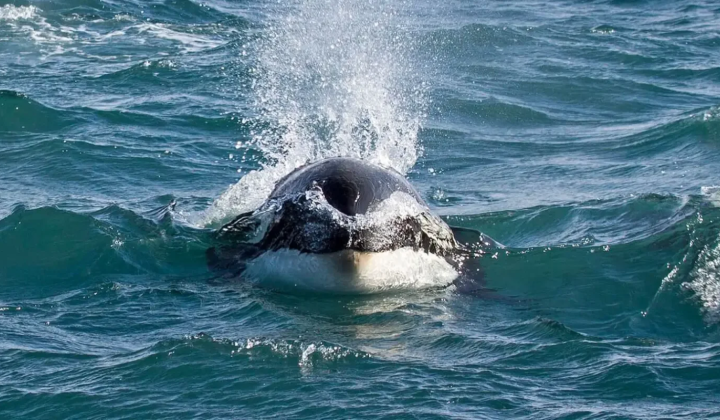
According to НВ — Техно: A recent scientific investigation has detected radioactive remnants in the teeth of orcas and sperm whales stranded along Scotland’s coastline. These traces originated from mid-20th century nuclear weapons testing. Using radiocarbon dating, researchers were able to determine that some individuals, particularly orcas, lived for more than 65 years-significantly longer than previously estimated.
The study analyzed teeth from three orcas found ashore between 1995 and 2016, and two sperm whales discovered in the 1990s. The radioactive signature preserved in their teeth reflects a marked increase in marine radiocarbon levels caused by atmospheric nuclear detonations. While male orcas are typically believed to live between 50 and 60 years, one male orca’s radiocarbon profile indicated an age exceeding 65 years. For example, the orca known as KW2, stranded in Uist in 2015, showed growth layer counts suggesting she was around 50 years old, but radiocarbon dating revealed she was at least 65 years old.
Shifts in Orca Behavior and Diet
In 2016, Lulu, a female orca from Scotland’s West Coast population, was found dead onshore. She was the last known female of her genetically distinct group, which is now critically endangered. Stable isotope analysis of carbon and nitrogen in her teeth indicated dietary differences within this population: Lulu likely consumed more marine mammals, whereas males primarily ate fish.
Behavioral changes have also been observed recently. In 2026, orcas near the Spanish coast attacked civilian vessels, including damaging the rudder of a 14-meter Swedish yacht off Galicia. The yacht’s crew issued a distress call and were assisted by the coast guard. Days later, near Cape Estaca de Bares, a tour boat named ‘Idem’ sank after a collision with orcas, marking at least the eighth such incident since 2020. Fortunately, both passengers aboard the ‘Idem’ were rescued.
Experts believe these findings challenge existing assumptions about orca longevity. Erich Hoyt noted,
“Our current age estimates are based on limited samples from a few orca populations and cover only a few decades.”
Kieran Tierney added,
“This provides what we call a kind of bomb pulse.”
By revealing nuclear test fallout in whale teeth, this research opens new avenues for understanding the lifespan of these marine mammals and the long-term ecological consequences of nuclear testing on ocean life. These insights could have significant implications for conservation strategies, especially amid the declining numbers and extinction threats faced by these species. Additionally, the recent surge in orca attacks on vessels may reflect broader environmental changes influencing their behavior and habitats.

Read also