Bulgaria Blocks Part of the EU’s 21st Sanctions Package Against Russia

Bulgaria Opposes EU Sanctions
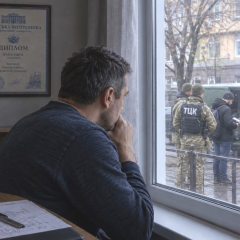
According to Главком: Bulgaria has objected to certain elements of the European Union's 21st sanctions package targeting Russia. The adoption of these measures requires unanimous approval from all EU member states. This information was reported by Glavcom, citing Politico, which in turn referenced two diplomats. The publication did not specify which particular provisions drew Sofia’s opposition.
Reasons Behind Bulgaria’s Protest
According to BNR News, one possible reason for Bulgaria’s resistance could be the European Commission’s proposal to include Patriarch Kirill in the sanctions list. Brussels believes the Russian religious leader has publicly endorsed the war against Ukraine. It is worth noting that Bulgaria has previously shown a willingness to shield Patriarch Kirill from sanctions.
Additionally, Metropolitan Naum of Russia supported a statement by Ecumenical Patriarch Bartholomew condemning the attack on the Kyiv Pechersk Lavra. Earlier, it emerged that Bulgaria might raise the issue of additional guarantees for the Bulgarian national minority with Ukraine. Sofia is interested in expanding opportunities for the Bulgarian language and education among community members in Ukraine.
The situation surrounding the EU sanctions and Bulgaria’s stance highlights the complexity of relations among EU member states in the context of the war in Ukraine. It was noted that adopting new sanctions requires unanimous support, placing Bulgaria at the center of a debate involving political and spiritual issues linked to Russia. This case also illustrates how domestic politics and national interests can shape the European Union’s common foreign policy.
As Bulgaria navigates its position within the EU regarding sanctions against Russia, it is essential to consider its broader implications on regional security. In a related development, Bulgaria has decided to cease arms supplies to Ukraine, a move that further complicates the dynamics of military support in the ongoing conflict. Understanding these interconnected decisions can provide deeper insights into Bulgaria's foreign policy strategy and its impact on the geopolitical landscape.

Read also