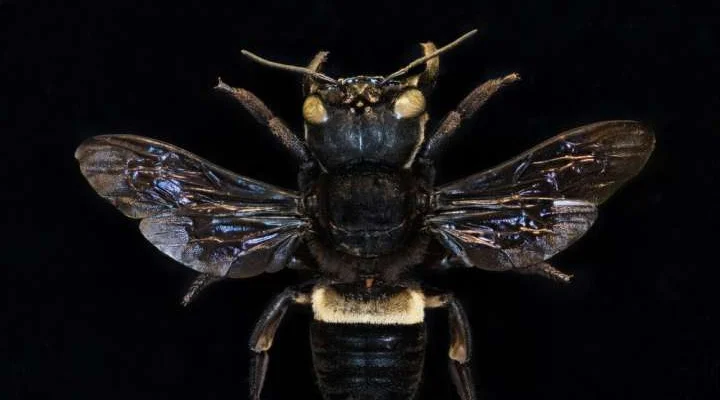
First Global Catalog of Island Bees Reveals 1,742 Species Found Nowhere Else

Comprehensive Inventory of Island Bees Worldwide
According to НВ — Техно: A groundbreaking global inventory of bees native to islands has been released, highlighting the remarkable diversity of these pollinators across island ecosystems, particularly in the Mediterranean region. Compiling over 600,000 records gathered by an international team of scientists, the study identified 4,128 native bee species on islands, with 1,742 of them being endemic-found exclusively on these islands. This significant research was published in the journal Nature.
Significance of the Findings
Islands constitute about 6% of the Earth's land surface, yet they are home to roughly 20% of all known bee species. The Mediterranean islands, especially Sicily and Cyprus, showed the greatest species richness. Large tropical islands like Hawaii and Madagascar also harbor unique bee species that exist solely in those isolated locations.
Citizen science played a crucial role in this effort, with ordinary people contributing photographs that helped document rare bee species and their geographic distributions. Platforms such as iNaturalist and ObsIdentify were instrumental in identifying many species, including leafcutter bees on remote islands.
The study also confirmed the protection status of rare Hawaiian bees, underscoring ongoing conservation efforts. Researcher Leon Marshall emphasized the importance of the database, stating:
“This resource is vital for understanding how bees colonize islands and for developing strategies to protect these essential pollinators.” - Leon Marshall
Fellow researcher Nicholas Verecken added that insights into how island size, isolation, and connectivity influence these terrestrial archipelagos could be key to preserving pollinators amid human-altered landscapes. This research sets the stage for new approaches to studying and safeguarding bees, which play a critical role in maintaining island ecosystems.
The data collected on island bee populations offer a foundation for future ecological research focused on biodiversity conservation and environmental stability. In the face of climate change and human impact on natural habitats, understanding and protecting vulnerable species is more important than ever. These findings will aid in crafting effective conservation plans to support bees, which are indispensable for plant pollination and sustaining ecosystem services on islands and beyond.
Understanding the intricate relationships between bees and their surrounding environment is crucial for their conservation. Recent studies have shown how local flora influences the honeybee hive's antimicrobial defenses, highlighting the interconnectedness of ecosystems. Exploring this topic further can provide valuable insights into the health of pollinators, which is essential for maintaining biodiversity. For more on this vital aspect of bee ecology, see how the surrounding vegetation impacts honeybee hives.

Read also