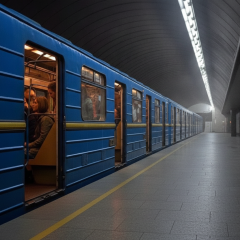
Kyiv's Botanical Garden Struggles to Save Tropical Plants as Greenhouses Freeze

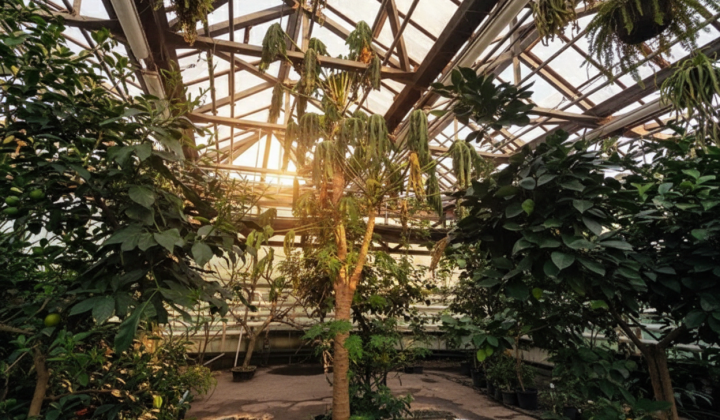
Crisis at the National Botanical Garden
According to Главком: The M.M. Gryshko National Botanical Garden of the National Academy of Sciences of Ukraine has reported a critical situation in its tropical and subtropical plant greenhouses. Prolonged power and heating outages have left the facilities unable to maintain the necessary climate. As of January 13, Kyiv is experiencing a severe electricity deficit, which has exacerbated the garden's plight. This crisis highlights the broader vulnerability of Ukraine's cultural and scientific institutions during wartime.
Following the power cuts, temperatures inside the greenhouses have plummeted to around 0 degrees Celsius, and in some cases to -3 or -4 degrees. This poses a grave threat to the tropical plant collections, which require stable, warm conditions to survive. Mass missile attacks on Kyiv on January 9 led to emergency blackouts, and further shelling on January 13 caused an even greater strain on the city's power grid.
Efforts to Sustain the Greenhouses
In a bid to keep the greenhouses running, the garden has purchased 600 liters of diesel fuel. The undiscounted price for this diesel is 68.99 UAH per liter, with a discounted rate of 61.99 UAH per liter. Despite these efforts, the situation remains dire. Kyiv is currently facing its most severe energy crisis in the four years since the full-scale invasion began.
During these hardships, over 9,000 Kyiv residents have sought refuge and warmth at mobile "Invincibility Points" run by the State Emergency Service, underscoring the widespread impact of the energy shortage on the capital's population. The struggle at the National Botanical Garden is just one facet of the immense challenges confronting the city.
This report underscores the critical state of Kyiv's energy infrastructure, which directly impacts vital institutions like botanical gardens that preserve biodiversity and unique ecosystems.
Given the escalation of hostilities and their consequences, supporting such institutions is crucial not only from an ecological but also a cultural perspective. It is imperative to take measures to restore stable energy supplies to ensure the safety of both these irreplaceable plant collections and the city's residents.

Read also