Czech President Pavel on Blocked L-159 Fighter Jet Transfer to Ukraine

Czech President's Stance on the War in Ukraine
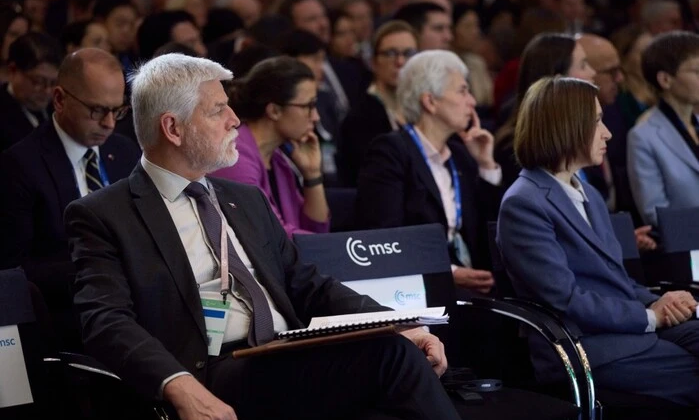
According to Главком: Speaking at the Munich Security Conference, Czech President Petr Pavel cautioned against excessive optimism regarding the current military situation in Ukraine. A former military officer himself, Pavel stressed the importance of a realistic approach, warning that fostering illusions about the conflict could lead to disappointment. He emphasized the need to maintain a clear-eyed view of the adversary.
Kyiv Visit and a Blocked Aid Package
During a visit to Kyiv on January 16, 2026, President Pavel announced a new military aid package for Ukraine. This announcement is part of a broader, ongoing international effort to support Ukraine's defense. The proposed package included:
- Medium-class combat aircraft
- Early warning systems
- Light multi-role Aero L-159 ALCA attack aircraft
However, the Czech ruling coalition has since blocked the transfer of these combat jets to Ukraine. The decision to halt the sale was made during a special session by representatives of the ANO, SPD, and AUTO parties.
Czech Defense Minister Jaromír Zuna has explained the government's position on the matter. At the conference, President Pavel also expressed doubts about Russia's readiness for constructive dialogue, calling for increased political pressure on Moscow.
"I am not convinced Russia is mentally prepared for this, and it is all of us, including, and above all, the United States, who must increase even political pressure on Russia, not on Ukraine, because that will not bring Putin to the negotiating table," he emphasized.
Consequently, the situation regarding Czech military aid to Ukraine remains complex, influenced by internal political decisions that affect international support. The internal political dynamics of NATO member states can significantly impact the flow of military assistance. For now, it is crucial to monitor the Czech Republic's next steps, as domestic-level decisions could substantially influence the conflict's dynamics and the support Ukraine receives from other allies. Meanwhile, President Pavel's statement underscores the necessity of a realistic assessment of the situation, which may shape broader international policy in the region.

Read also