As Europe’s Rivers Run Dry, a WWII Steam Tugboat Emerges in Serbia’s Sava

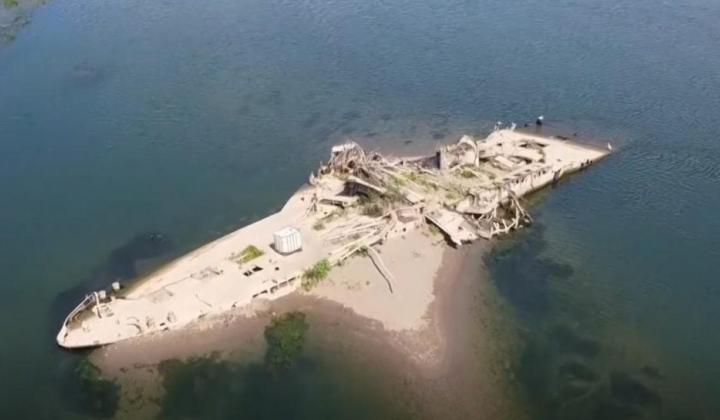
Europe’s Shrinking Waterways: A Fresh Look at What Has Been Found
According to УНІАН — Туризм: The extended heat and dry spell across Europe have lowered river levels so dramatically that objects long hidden beneath the surface are now coming to light. This find adds to a growing list of historical remnants exposed by the continent’s unusually hot, dry conditions. In Serbia, near the town of Sremska Mitrovica, the rusted hull of a steam tugboat named 'Slovenec' has become visible in the Sava River. The vessel was originally built in Budapest in 1913 under the name 'Vag' and once hauled heavy cargo between Budapest and other cities along the Danube. Following the collapse of the Austro-Hungarian Empire, the boat was transferred to the Kingdom of Serbs, Croats and Slovenes and given a new name.
During the Second World War, the Slovenec carried wounded soldiers and equipment. In late April 1945, while fighting was still intense, it struck a German mine and went down. The wreck has remained on the floor of the Sava ever since, prompting Serbian media to nickname it the 'Titanic of the Sava.'
Other Discoveries from Dried-Up Riverbeds
Meanwhile, on the border between Serbia and Romania, the receding Danube has uncovered the remains of German warships from the Second World War. Some of those vessels could still hold weapons because retreating German forces intentionally scuttled them. In Italy, the worst drought in seven decades has exposed parts of an ancient bridge over the Tiber River. In Bulgaria, the sandy bottom of the Danube yielded the remains of a woolly mammoth, including a jaw, tusks, ribs and other bones. Together, these finds demonstrate just how dramatically Europe’s ecological conditions have shifted as a result of prolonged heat and drought.
These developments highlight the way climate change can affect historic and cultural landmarks that had previously stayed out of sight.
The recovery of ancient artifacts and shipwrecks also serves as a reminder of why it matters to study the past. It can offer fresh insight into events that shaped Europe, and it may lay the groundwork for more archaeological work and for a deeper understanding of how historical events continue to influence the present.
The dramatic reduction of water levels across Europe has not only revealed the 'Slovenec' but has also led to the emergence of other significant historical artifacts. For instance, the Danube's receding waters have uncovered over 200 German vessels sunk during World War II. These findings underscore the profound impact of climate change on the continent's waterways and the treasures they conceal. To learn more about these remarkable discoveries, check out the recent uncovering of Nazi ships in the Danube.

Read also