The Danube Has Shrunk to a Record Low Level: More Than 200 Nazi Ships, Sunk in 1944, Have Emerged from Underwater

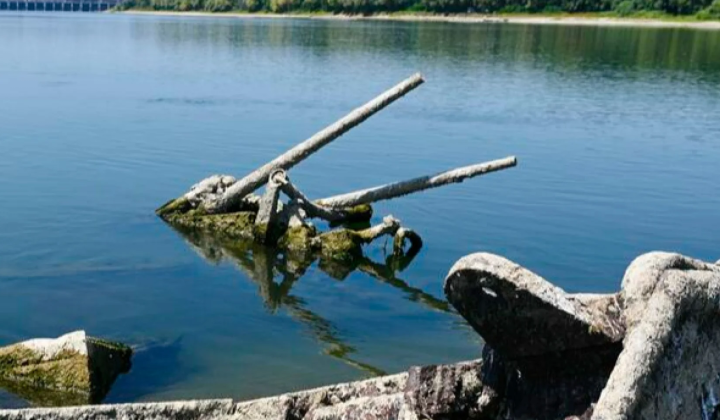
The Shallow Danube Reveals the Nazi Fleet
According to НВ — Техно: On August 4 at 11:30, due to abnormal heat and historically low water levels in the Danube, the remains of more than 200 ships of Nazi Germany have surfaced. In the fall of 1944, German commanders deliberately sank these vessels to create an underwater barrier and slow down the advance of Soviet troops. The current heatwave in Europe has caused a record drop in river levels, and some military ships have come into view for the first time in eight decades.
This concerns more than 200 barges, cargo ships, and tugboats that have remained lying at the bottom. For the English-speaking audience, it is important to emphasize: the Danube is one of Europe's key transport arteries, so such findings have not only historical but also practical significance for the entire region. According to the European Investment Bank, Serbia loses about 5.75 million dollars a year due to this underwater barrier. In 2024, Serbian authorities, with the support of the EIB, began to raise 21 vessels in a narrow section of the Danube measuring 3.1 miles.
How Sunken Ships Are Removed
The work begins with the cleaning of the hulls: specialists use pumps to remove silt and sediment from the bottom and from the ships themselves. Some objects are then towed away, while those that are too large or difficult to lift are buried. Before each such lift, divers must examine the vessel, as ammunition and explosives may still be onboard. The murky waters of the Danube severely limit visibility, which adds danger and complexity to these tasks.
Previously, specialists studied the V-1302 John Mahn ship sunk during World War II in the Belgian part of the North Sea. The research showed that it continues to damage the environment: heavy metals and pollutants are leaching from the hull, and the microbial composition on the seabed is changing. There are thousands of similar ships in the North Sea, and all of them affect the local ecosystem to varying degrees.
The ships that have emerged in the Danube are not only a reminder of the military past but also a vivid example of environmental and economic consequences. If the riverbed can be cleared, navigation on the river may recover, allowing Serbia to reduce its annual losses. At the same time, one cannot forget the risks: the sunken hulls can continue to poison the water and disrupt the natural balance. The cleaning process opens up new opportunities, but it requires a very careful and responsible approach.

Read also