A 7-to-12-day reserve of water and food is now being advised for Ukrainians as Russian strike threats intensify

Why Ukrainian households should stock up
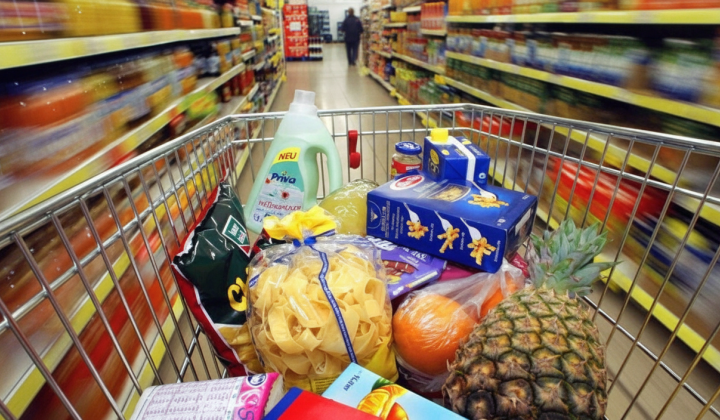
According to Рубрика — Суспільство: As Moscow keeps targeting critical infrastructure, Ukrainian families are being told to set aside an emergency reserve of drinking water and daily food staples lasting 7 to 12 days. Anatolii Katerenchuk, head of the Kyiv office of the State Service of Ukraine on Food Safety and Consumer Protection, gave the advice on 1 September 2026 during the News.LIVE broadcast, pointing to the danger of Russian attacks on critical and food infrastructure.
Katerenchuk urged people to avoid panic-buying enough food for a month or more. 'There is no need for confused, panicky purchases of large quantities because most products have a limited shelf life. You should think about both the amount and the quality of what you keep,' he said.
'People should not respond to panic by clearing store shelves. Since food expires, it is essential to pay attention to expiration dates and storage conditions as well as quantities.'
The recommended reserve of drinking water should be based on a household's daily consumption. For food, Katerenchuk advised keeping roughly a week to twelve days' worth of everyday staples. The warning comes as Russian forces regularly attack logistics warehouses and critical infrastructure.
He also said that Ukraine is not facing a food shortage. If an item temporarily disappears from shelves, imports from another country will replace it. 'Ukraine has no deficit of food and will not have one. Russia is trying to provoke exactly the kind of panic and chaos that distracts people from normal life,' Katerenchuk added.
Knowing how to store supplies properly is just as important. His recommendations include:
- keeping meat products at the required temperature;
- storing grains and sunflower oil in a cool, dark, dry place;
- keeping grains in an airtight container.
Factory-packaged products come with specific expiration dates and storage instructions, Katerenchuk noted. He saw no need for any special food selection: each type of product has to be handled correctly, for example meat should be kept in the proper temperature regime. He also said that Ukraine is consistently among the world's top ten grain producers, and the Rubric news outlet reported that the country has sufficient food reserves even as logistics chains are being adjusted in response to Russian strikes.
These recommendations reflect the current situation in Ukraine, where a rising threat of hostile attacks is making emergency readiness a priority. At the same time, official statements about the stability of the food market and the absence of shortages are meant to reassure the public and prevent panic. Ukrainian families are encouraged to stay calm and follow expert advice on how to build and store their emergency supplies.
As the situation evolves, it's crucial for households to remain informed about potential food supply stability amid ongoing threats. The Ukrainian Ministry has reassured citizens that disruptions from Russian attacks on warehouses are unlikely to lead to shortages. Understanding these assurances can help families better prepare and avoid unnecessary panic during these challenging times.

Read also