RAND Europe Report Forecasts Russia-NATO Conflict by 2030 Following Putin’s Death and Ukraine Ceasefire

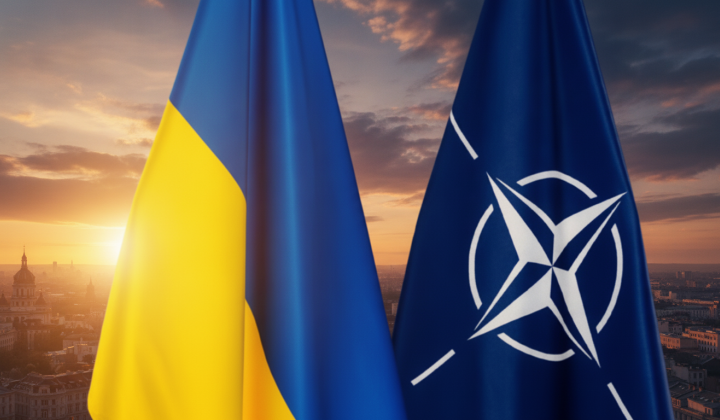
Potential Military Confrontation Outlined
According to ХВИЛЯ: In their report titled "Ready for War 2030," RAND Europe analysts present a detailed forecast of a possible war between Russia and NATO, triggered by Vladimir Putin's death in 2027. The study suggests that while a ceasefire in Ukraine may initially stabilize tensions, this fragile peace could unravel, culminating in a Russian invasion of Estonia that severely undermines NATO’s credibility.
James Black, the report’s lead author and Deputy Director of RAND Europe’s Defense, Security, and Justice research group, explains that the scenario begins in January 2027 when a former FSB general takes office as Russia’s president. By April, Russia agrees to a US-mediated ceasefire in Ukraine, supported by the UK and major European nations, leading to a partial easing of sanctions and a frozen conflict. Despite this, Russian forces remain entrenched in occupied territories.
Conflict Escalation and NATO’s Challenges
Starting in 2028, Russia initiates hybrid warfare tactics against NATO members, including cyber assaults and disruptions targeting London and southeastern England. In 2029, as the US prioritizes a crisis in South America, European allies grow concerned about diminished American military support. In May 2030, Russia instigates protests among ethnic Russians in Narva, Estonia, which escalate into riots. Using the pretext of protecting Russian minorities, Russian troops cross the border near Narva.
NATO responds by invoking Article 5 of the North Atlantic Treaty. Most allies, with limited US involvement, deploy forces to defend Estonia. Russian military operations expand to the High North, threatening Spitsbergen and northern Norway, alongside submarine activity in the North Atlantic. The UK faces sabotage, cyberattacks, and airstrikes on military sites, including a drone strike on a London hospital that kills four and injures fifteen.
The Royal Navy suffers significant losses, including the sinking of an Astute-class nuclear submarine and damage to a second from a Russian torpedo. By mid-July, only one UK nuclear submarine remains operational across the Atlantic and Arctic. Concurrently, Aster missile stocks on British destroyers are depleted following initial attacks.
The crisis intensifies as British ground forces in the Baltics become exhausted by August, lacking reinforcements without political approval for conscription. The Royal Air Force’s combat capabilities are severely reduced due to pilot and personnel losses, limiting operations to critical missions only. NATO retaliates with strikes on Kaliningrad, Belarus, and Russia's Western Military District.
In September 2030, Russia’s defense minister announces the mobilization of tactical nuclear forces and signals readiness to deploy them. Despite holding Narva and much of Ida-Viru County in November, Russia proposes a ceasefire. Estonia refuses to surrender, but war-weary Europe consents to a ceasefire under vague terms. Multinational forces numbering approximately 80,000, led by the UK, France, and Germany, oversee the truce, yet Russia delays troop withdrawals from the demilitarized zone and retains heavy weaponry.
The report also highlights critical weaknesses within British defense, including:
- personnel shortages
- outdated counter-drone tactics
- lack of preparedness for large-scale warfare against a peer adversary
The authors emphasize, “The question is no longer if war is possible, but whether we will be ready for it.” – James Black
This comprehensive analysis underscores the shifting nature of military threats in Europe, especially in light of Russia’s evolving strategic approach and NATO’s transformation. Given today’s geopolitical realities, exploring such scenarios is vital for shaping defense policies and enhancing alliance readiness. The report offers not only warnings but actionable recommendations to fortify capabilities, serving as a foundation for ongoing discussions among European defense experts and policymakers.

Read also