Blueberries Show Mood Improvement in Seniors but No Clear Advantage Over Placebo

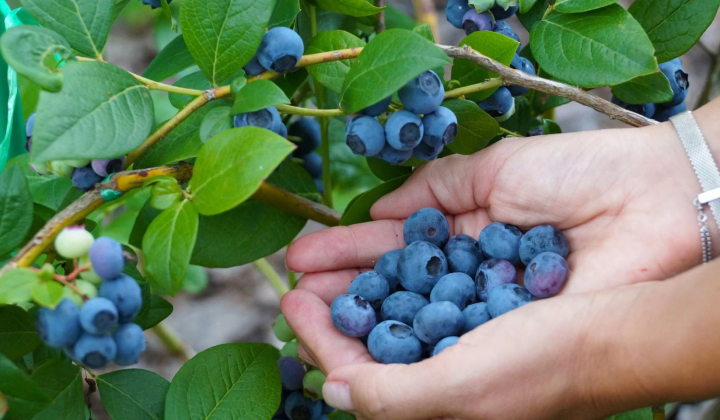
Blueberries May Improve Mood in Older Adults, Yet No Significant Edge Over Placebo Found
According to НВ — Техно: A study conducted by the Hinda and Arthur Marcus Institute for Aging Research at Hebrew SeniorLife explored the effects of daily blueberry intake on mood among people aged 65 and older. Over a three-month period, 18 participants with low physical activity and mild depressive symptoms consumed 48 grams of blueberry powder daily, while a control group received a placebo powder without blueberries. Although those consuming blueberries experienced noticeable reductions in depressive symptoms, the improvement was not statistically greater than that seen in the placebo group.
Study Findings and Gut Microbiome Insights
The outcome of this small-scale trial was mixed. While blueberry consumption correlated with mood improvements, the differences compared to placebo were not statistically significant. Additionally, neither group showed meaningful changes in overall gut microbiome composition or levels of short-chain fatty acids. However, participants taking blueberries exhibited significant shifts in the abundance of genes linked to bacterial enzymes, including those affecting gamma-aminobutyric acid (GABA), a neurotransmitter involved in mood regulation.
The researchers noted, 'Our findings suggest blueberries may modulate specific gut bacterial functions despite stable overall microbiome composition.'
This research highlights the need for larger studies to draw definitive conclusions, as the small participant pool limits the strength of the results. Published on October 20 in ScienceDaily, the study’s authors emphasize expanding future research to better understand how blueberries might influence mood and gut microbiota in older adults.
The findings point to the potential of blueberries as a supportive option for mood enhancement in the elderly, though without clear superiority over placebo. This underscores the challenges in evaluating dietary supplements for mental health, given individual variability in response. Further investigations with more participants are essential to clarify whether blueberries can be an effective aid against depressive symptoms in the aging population.
While this study highlights the potential mood-enhancing effects of blueberries in older adults, it also raises questions about dietary factors contributing to mental health. For instance, recent research indicates that sugary soft drinks may increase depression risk, whereas black coffee could provide a protective effect. Understanding these connections can be vital for developing holistic approaches to mental well-being in seniors.

Read also