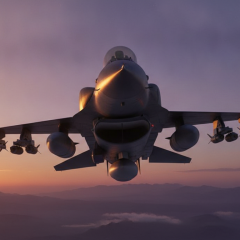
Denmark Braces for Military Confrontation Over Trump’s Greenland Ambitions

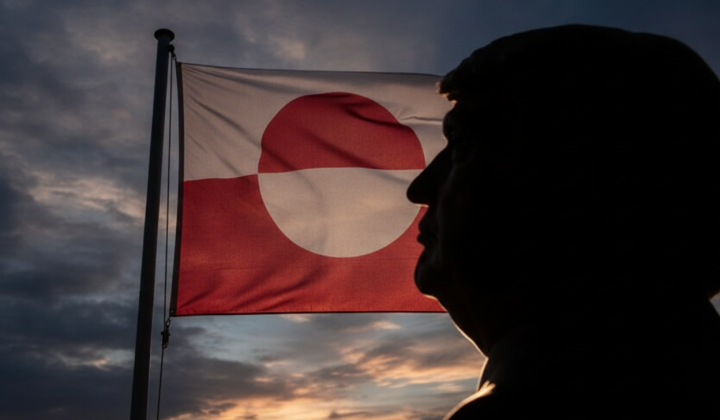
Trump’s Rhetoric and Its Fallout
According to ХВИЛЯ: What began as provocative talk from Donald Trump about annexing Greenland has escalated into a tangible shift in U.S. foreign policy, prompting Denmark and its allies to prepare for potential armed conflict. Since 2016, a secretive unit within the U.S. National Security Council has been quietly developing scenarios for acquiring the island. Tensions are further fueled by the 1951 defense agreement, which effectively places Greenland’s military defense under U.S. control, adding a layer of complexity to the standoff.
Social Impact and International Response
The Danish government has identified four individuals running private influence campaigns in Greenland: Americans Chris Kox, Tom Dans, and Drew Horn, along with Greenlander Jørgen Boassen. Early 2026 saw a spike in tensions following the kidnapping of Venezuela’s president, which triggered the deployment of Danish troops to the island, backed by forces from seven other European nations. Danish soldiers have been issued live ammunition and authorized to fire on invading forces. In the event of an attack, Denmark has prepared contingency plans to destroy Greenland’s runways-a clear sign of the gravity of the situation.
The social toll of Trump’s rhetoric is already visible. Polls show that 82% of Greenlanders believe this rhetoric has negatively impacted their lives, with one in four reporting sleep disturbances-a likely indicator of widespread societal stress. Fiona Hill remarked:
“We look even more like the Kremlin than I ever imagined”
, highlighting a dramatic shift in international political norms.
NATO Secretary General Mark Rutte, speaking at the Davos forum, managed to persuade Trump to dial back some threats and tariffs, reflecting diplomatic pressure from the global community. Yet according to politician Rasmus Jarlov, Denmark would ‘rather go to war with the United States than hand over Greenland.’ Danish Prime Minister Mette Frederiksen echoed this tension, stating: ‘the familiar world order we fought for over 80 years has come to an end.’
The Greenland crisis has thus become a litmus test for shifting U.S. rhetoric and mounting international friction, with far-reaching consequences for the region. It underscores not only geopolitical ambitions but also the social upheaval caused by instability-especially for Greenlanders. The unfolding events may act as a catalyst for further changes in the foreign policies of the nations involved, potentially reshaping the global order as a whole.

Read also