Memory Shortages, Price Surges, and Industry Forecasts Through 2028 Amid AI Growth

Where Are the Gigabytes Going?
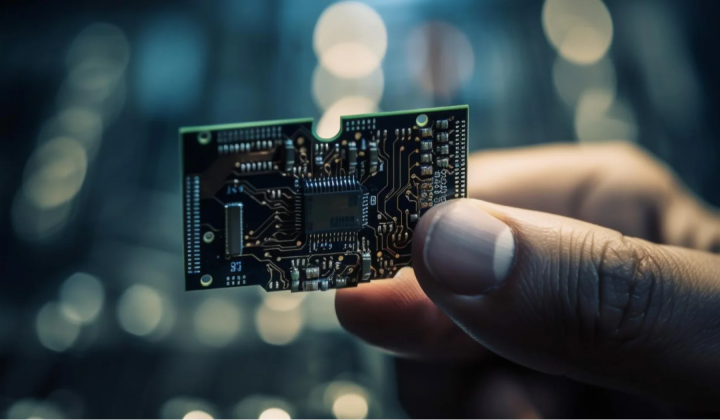
According to НВ — Техно: The shortage of RAM, particularly DRAM and HBM, is becoming increasingly noticeable due to soaring demand driven by advances in artificial intelligence and large language models. The expanding memory requirements for servers and data centers are pushing up costs for consumer electronics such as smartphones, PCs, and gaming consoles. Leading memory manufacturers like Micron, SK Hynix, and Samsung are shifting production capacity toward HBM, causing a scarcity of traditional DRAM.
Data shows that a 7-billion-parameter AI model in 16-bit precision consumes about 14 GB of RAM. Producing the same amount of HBM requires roughly three times more silicon wafers than conventional DRAM. By 2027, HBM production is expected to account for nearly 30% of DRAM manufacturers’ output, compared to around 20% in 2024.
Kim Theu: 'By 2027, HBM will represent almost 30% of DRAM production capacity, up from about 20% today.'
Over 75% of Micron’s memory output for 2027 is already committed through contracts. Sanjay Mehrotra noted that 'most new client negotiations are focused on deliveries slated for 2028.' The overall market tension is mounting, with Mehrotra adding, 'we don’t see when supply and demand will balance again.'
Rising Memory Prices and Their Ripple Effects
Memory price hikes are significantly impacting the cost of consumer devices. For instance, memory expenses have increased the production cost of budget smartphones by roughly 25%, mid-range models by 15%, and flagship devices by 10%. Memory components can account for up to 60% of the bill of materials in a smartphone priced around $400. This shift has altered pricing strategies in the gadget market:
- The Samsung Galaxy S26 has increased in price by 149,600 won
- The S26 Ultra model rose by 270,000 won
Mini-computers have also seen price surges: LPDDR4 memory for the Raspberry Pi has become seven times more expensive over the past year. The Raspberry Pi 4 with 2 GB RAM rose from $55 to $67.50, while the Raspberry Pi 5 with 2 GB increased from $65 to $77.50 as of October 1, 2024. Meanwhile, Sony raised the PS5 prices in Europe starting April 2, 2024, with the standard edition now costing €650 and the PS5 Pro €900. The price of the handheld PlayStation Portal in the U.S. jumped from $199.99 to $249.99.
When can the RAM market expect relief? Predictions vary, but new fabrication plants will only begin production in 2027. Micron’s first Idaho factory is scheduled to start wafer output in mid-2027, with a second facility launching in late 2028. Additional Micron plants are planned for Japan by the end of 2028 and New York by 2030.
Raymond van Eck: 'If you’re not allocated supply, you’re effectively out of the game.'
According to Kwak No Jong, '2027 will be the worst year in the industry’s history for supply.' He forecasts demand will continue to outpace capacity even beyond 2030. Conversely, Jason Chen points out that 'there is ample supply of DDR4 and DDR5, making it unlikely that shortages will persist until 2030.' The memory market remains under strain, with stabilization expected to take considerable time.
This situation highlights the complex interplay between surging demand for cutting-edge technologies like AI and the limitations of current manufacturing capabilities. The shift toward increased HBM production is depleting traditional DRAM availability, driving prices higher for consumer electronics. For buyers, this means facing steeper prices on new devices. Given constrained production growth, market pressures and elevated costs are likely to persist in the near future, influencing how manufacturers price their products globally.
As the demand for memory continues to skyrocket, the industry is witnessing significant shifts in production strategies. Notably, CXMT's recent increase in DRAM output by 50% with the introduction of their G5 platform is a crucial response to these market pressures. This development highlights the ongoing efforts of manufacturers to adapt to the rapidly changing landscape driven by AI advancements and the consequent memory shortages.

Read also