Detailed Information on Fuel Pumping Pumps

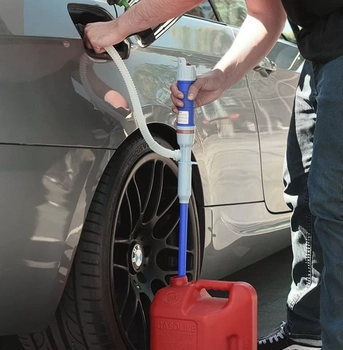
The process of storing and using fuel is closely connected with the need for its pumping. To do this quickly, easily, and safely, it is enough to purchase a special pump on the page https://petroline.ua/ru/nasosi-dlya-palnogo/ . Thanks to the wide range in the catalog, you can order a model for both enterprise or commercial gas stations, as well as for domestic use. The main thing is to choose the right type of device and calculate its optimal characteristics.
Main Types of Fuel Pumps
Equipment of this type has a robust metal structure made of steel or cast aluminum and is covered with protective paint. The degree of moisture protection of the case usually corresponds to IP55 class, and the noise level is 75-80 dB. Connections to the main line and additional equipment are made using built-in flange and threaded connections.
Modern fuel pumps are divided into separate types based on the following criteria:
- Type. A rotary pump can pump fuel in both directions, while lever pumps can only pump in one direction. There are also universal siphon pumps that come with a corrugated insert.
- Drive. Manual models are activated by a mechanical handle. Electric devices operate from a battery or mains, while pneumatic ones are connected to a compressor.
- Placement. Submersible models are submerged in the working fluid. Surface-type pumps are placed outside barrels, tanks, and underground reservoirs.
To learn more about the possibility of using a particular fuel pump, you can visithttps://petroline.ua/ru/detalno-pro-nasosy-dlia-perekachuvannia-palnoho/. This will help you accurately determine the key parameters of the equipment you need.
What to Consider When Choosing a Fuel Pump
Each unit of this equipment is designed for specific operating conditions. Therefore, when choosing a pump for fuel pumping, we recommend paying special attention to the following characteristics:
- Compatible liquid. Pumps have different classes of explosion protection and chemical resistance. A model for diesel fuel may not be suitable for gasoline. There are also restrictions on using the equipment with chemicals, kerosene, water, and certain petroleum products.
- Performance. Low pumping speed (up to 50 l/min) is considered optimal for domestic tasks. For enterprises and gas stations, it is better to choose a model of medium (50-70 l/min) or high (from 90 l/min) performance.
- Operating parameters. Fuel pumps can lift liquid up to 20 m and suck it from a depth of up to 6 meters. They create a pressure of 1.8-2.5 Bar at the outlet. Parameters are chosen according to the size and placement of the container where the fuel is located.
- Power supply voltage. A mobile electric pump can operate from a portable battery of 12/24 V and even from regular batteries. For stationary installation, models designed for connection to a 220 V or 380 V network are offered.
- Complete set. Depending on the model, such devices may be equipped with a coarse filtration system, bypass valve, dispensing gun, pressure and suction hoses. Bulky pumps are often supplied with a cart or a stationary mounting platform.
When purchasing a pump unit for diesel or other liquids, do not forget about the manufacturer's reliability. Trust only proven companies that guarantee the quality of their products, have a good reputation in the market, and provide technical support to their customers.