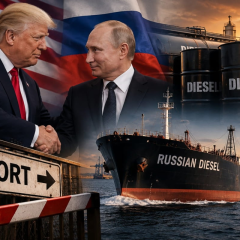
Polish PM Tusk Levels Allegations at President Nawroćki: Russian Crypto Ties and Veto of EU Defense Loans

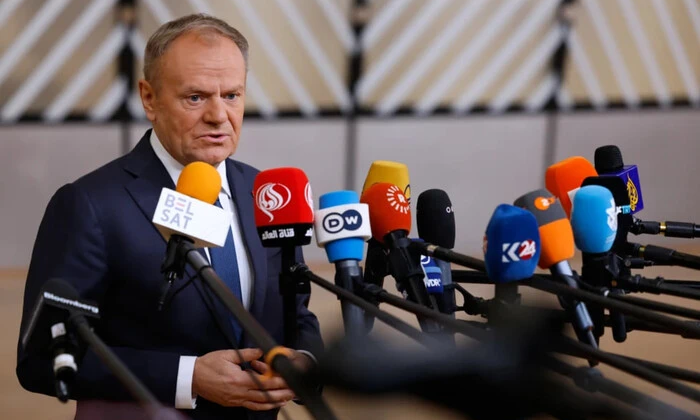
Tusk Alleges Russian Connections
According to Главком: Polish Prime Minister Donald Tusk has publicly accused President Karol Nawroćki and the opposition of maintaining ties with the cryptocurrency company Zondacrypto, which he claims has links to Russia. According to Tusk, Zondacrypto funded Polish national-conservatives and was a strategic sponsor of the CPAC conference held in Rzeszów in March 2025, just days before the Polish presidential election. U.S. Homeland Security Minister Kristi Noem, who campaigned for candidate Karol Nawroćki, was a speaker at that event. These allegations come amid heightened scrutiny of foreign influence in European politics.
Political Fallout and Market Regulation
President Nawroćki has recently vetoed government bills aimed at regulating the cryptocurrency market twice in the last six months. He also refused to support a bill concerning the mechanism for using EU loans for defense expenditures. The total value of loans under this defense reinforcement program, known as SAFE, is 43.7 billion euros.
Tusk further expressed suspicions that Hungary could be sharing information from European Union meetings with Russia.
“The news that Orbán's people are informing Moscow about the details of EU Council meetings should surprise no one,” Tusk stated.
These accusations have provoked outrage in Polish society and political circles, highlighting the severe tension between the ruling party and the opposition against the backdrop of international security and relations with Russia.
This incident reflects the escalating political polarization in Poland, set against complex international security challenges. Tusk's allegations could significantly sway domestic political sentiment ahead of elections, underscoring concerns over political financing and foreign connections. The unresolved issues of crypto market regulation and critical defense funding remain pressing matters for the nation's government and its political future.
The ongoing tensions surrounding President Nawroćki's alleged connections to Russian interests raise critical questions about regional stability. As Tusk's accusations suggest a broader Russian strategy to undermine Europe, the implications for Poland's political landscape and its relationship with the EU become increasingly significant. The intertwining of foreign influences and domestic politics could reshape voter sentiment ahead of the upcoming elections.

Read also