WWII Shipwrecks Emerge as Extreme Heat Pushes the Danube to Critical Lows

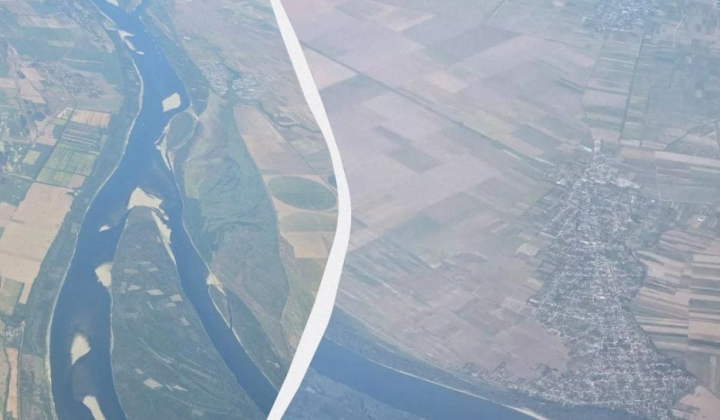
Danube Faces Severe Low-Water Crisis
According to УНІАН — Туризм: This year, the Danube has hit one of its most serious low-flow stretches in decades, with prolonged heat and drought across Central Europe taking a heavy toll. At the point where the river enters Romania, the flow fell sharply to 1,350 cubic meters per second between August 16 and 17, far below the long-term seasonal average of 3,900 cubic meters per second. Forecasters now expect it could drop even further, to 1,300 cubic meters per second.
Environmental and Economic Impact
Photographs taken from a passenger aircraft at altitudes between 8,000 and 10,000 meters over Teleorman County on August 17 reveal a transformed landscape. Large stretches of sand, sandy islands built from river sediment, and channels that normally divide the Romanian and Bulgarian banks now sit fully exposed. In several places, shipwrecks have resurfaced, including vessels that sank during World War II.
The reduced water flow has also put new pressure on regional power generation. An additional complication is the shrinking supply of Alpine snow and ice feeding the river, which has deepened concerns among experts and local residents about possible long-term harm to the environment and the economy.
Without stronger measures to address climate change, specialists warn, episodes like this could become a regular occurrence.
The Danube's lows mirror the broader global climate shifts that are intensifying water-supply problems across Europe. Agriculture, fishing, and tourism in the region are all likely to suffer, underscoring the need for strategies to adapt to a changing environment. Since this river underpins local energy systems and rural livelihoods, the ripple effects reach far beyond the exposed riverbed.
The current situation of the Danube is not an isolated incident; it reflects a concerning trend across Europe. As highlighted in a recent article, the ongoing heatwave has led to unprecedented low levels in the river, exacerbating environmental and economic challenges. Understanding these developments is crucial, as they shed light on the broader implications of climate change and its impact on vital waterways. For more insights, read about the record lows of the Danube River.

Read also