Exploring Peru: The Incan Legacy, Andean Llamas, and Today’s National Challenges

Peru's Rich History and Cultural Fabric
According to УНІАН — Туризм: Peru stands as a nation steeped in history, shaped by the ancient Incan Empire, colonial influences, and contemporary economic and political realities. With a population of around 35 million, the country’s demographic is predominantly mestizo-descendants of indigenous peoples and European settlers. Indigenous groups like the Quechua and Aymara continue to inhabit the high Andean regions. Peru’s cultural mosaic is further enriched by communities of African, Chinese, and Japanese descent, reflecting its diverse heritage.
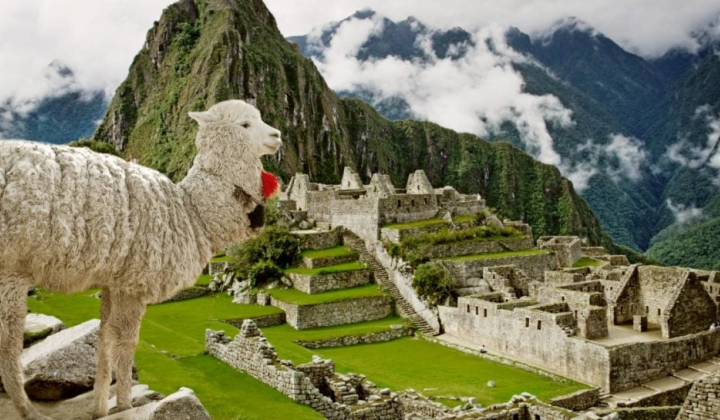
The Incan Empire, which thrived until the 16th century, was notable for its sophisticated agricultural terraces, extensive road networks, and impressive stonework. Cusco, once the empire’s capital, still preserves many relics from this era. One of the most iconic archaeological sites is Machu Picchu, perched on the Vilcabamba mountain ridge. Serving as both a spiritual sanctuary and an astronomical observatory, Machu Picchu remarkably escaped discovery by Spanish conquerors, allowing it to remain largely intact today.
From Spanish Rule to Modern Peru
The Spanish conquest, led by Francisco Pizarro in the 16th century, ushered in nearly 300 years of colonial domination. The colonial government established Lima as the new capital, which became the center of Spanish authority in the region. During the 19th century independence wars, Peru was the final stronghold of Spanish loyalists. The liberation efforts of José de San Martín and Simón Bolívar culminated in victory, with the decisive Battle of Ayacucho in 1824 ending Spanish control in South America.
Today, Peru balances tradition with modernization. In Lima, gleaming skyscrapers stand alongside historic districts, while Cusco retains its cobblestone streets and colonial architecture. Llamas and alpacas, members of the camelid family, play a vital role in Andean culture. Llamas serve as pack animals at altitudes over 4,000 meters, and their wool is crafted into textiles such as blankets, ponchos, and ropes. Additionally, llama dung, rich in nitrogen, is utilized as fertilizer in terrace farming.
Despite its cultural wealth, Peru faces ongoing economic difficulties and political instability that demand urgent attention. These contemporary issues highlight the complex identity of a nation whose roots stretch back to the Incan era.
Given its deep cultural heritage and diverse population, Peru remains a key player in Latin America. Addressing challenges like social inequality and governance requires coordinated efforts from both government and civil society to foster sustainable growth. A deeper understanding of Peru’s history and culture can provide valuable insights into its present-day struggles and future potential.

Read also