Trump Backs John Cole’s Proposal to Exchange Kremlin Political Prisoners for Eased U.S. Sanctions

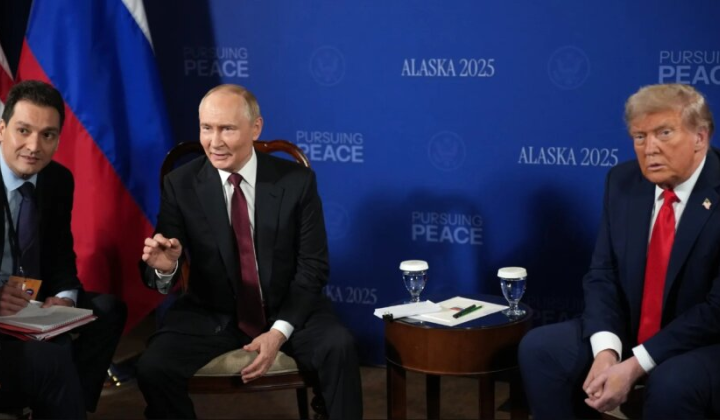
John Cole’s Plan for a Political Prisoner Swap
According to ХВИЛЯ: John Cole, Donald Trump’s envoy to Eastern Europe, has introduced a proposal to trade Kremlin-held political prisoners in return for the United States relaxing sanctions against Russia. Trump supports this initiative, which draws on Cole’s previous experience in Belarus, where sanctions were eased and a trade agreement was secured following the release of hundreds of political detainees. The plan remains in its early stages and requires approval from the U.S. Senate.
Cole spent over a year negotiating a similar arrangement in Belarus. His talks with President Alexander Lukashenko led to the freedom of hundreds of political prisoners, which in turn prompted the U.S. to soften sanctions and finalize a deal for Belarusian potash fertilizer exports. Recently, Trump announced ongoing discussions involving Russia on a major potash trade agreement with Belarus. Meanwhile, the Ukrainian government strongly opposes reducing sanctions, emphasizing the security risks to Ukraine. President Volodymyr Zelensky has stressed that Western trade with Russia strengthens its military and vowed to oppose any lifting of sanctions until the conflict ends.
Potential Pathway to Peace
Jared Kushner, Trump’s son-in-law, believes that expanding business relations with Russia could pave the way for peace and economic growth.
“All of this moves us closer to peace. The more interaction, whether economic exchanges or prisoner swaps, the closer we get, step by step,”
Cole explained. He also plans to coordinate with Steve Witkoff, Trump’s primary liaison to Russian contacts.
Cole has compiled a list of Americans imprisoned in Russia, while a separate record of detainees jailed for protesting the war is being assembled with the help of Dmitry Muratov, the 2021 Nobel Peace Prize laureate. In May 2026, Muratov visited Washington and presented Cole with a medallion once given by Ronald Reagan to Mikhail Gorbachev. Cole’s efforts have already led to the release of the husband of Svetlana Tikhanovskaya, the leader of Belarus’s democratic opposition, in 2025.
Despite this, Ukraine’s leadership, particularly Zelensky, advocates for tougher sanctions on Russia, arguing that “anyone who provides Russia with more money through trade is giving this war more time.” Ukrainian officials insist on restricting Russia’s financial resources to curtail the conflict, noting that Russia’s economy is ten times the size of Ukraine’s. At the same time, Russia has started tax investigations targeting Dmitry Muratov, signaling increased pressure on independent journalists within the country.
Cole’s nomination as Special Presidential Envoy for Hostage Affairs, a role equivalent to ambassador, awaits Senate confirmation, underscoring the significance of this initiative amid current geopolitical tensions.
This proposal could significantly influence international relations by raising critical questions about balancing diplomatic engagement with security concerns. While the Trump administration seeks avenues to reduce friction with Russia, Ukraine’s push for stricter sanctions highlights deep divisions in how to address the ongoing conflict. These contrasting approaches may complicate U.S. foreign policy, especially considering the importance of supporting Ukraine during the war.
As discussions about the potential prisoner swap gain momentum, the geopolitical landscape remains tense, particularly with Ukraine's firm stance against any easing of sanctions. This situation echoes Trump's recent call for Zelensky to engage with Putin, highlighting the complexities of diplomatic negotiations in the region.

Read also