Former UFC Fighter Deported from Russia Ahead of Ingushetia Tournament

Leonardo Guimarães Deported; Georgiy Kamalov Tragedy Unfolds
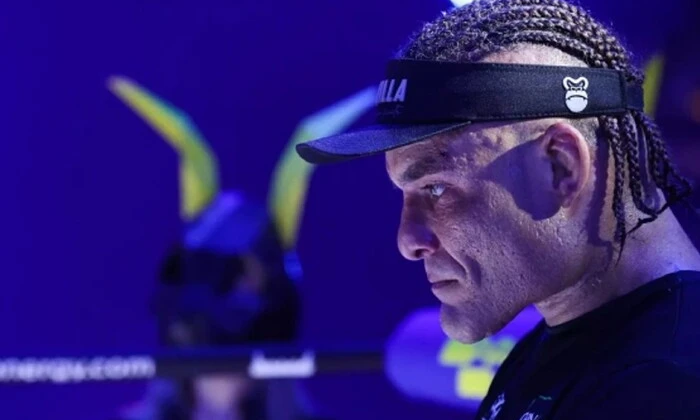
According to Главком: Brazilian ex-UFC fighter Leonardo Guimarães was deported from Russia just before his scheduled bout against Amirkhan Guliev. The match was set for May 23 at the NFL 4 tournament in Ingushetia. NFL president Gilani Kalimatov announced the fight’s cancellation, stating that Guimarães failed to disclose his deportation and did not meet contractual obligations. As a result, the event’s new main fight will feature Sulim Bisultanov versus Artem Rofal.
Guimarães, aged 44, holds a professional record of 15 wins, 14 losses, one draw, and one no-contest. The Brazilian has competed at elite levels in mixed martial arts, but his participation in NFL 4 is now in jeopardy due to the deportation.
Turmoil in Ingushetia’s Sports Scene
Meanwhile, reports have emerged of the death of 46-year-old Russian soldier Georgiy Kamalov. He played for the Vladivostok-based team Era from 2003 to 2011 and later coached the football club Anri, guiding it to the Russian Cup level. Commentator Dmitry Nizovtsev confirmed the tragedy, noting:
“He was up to his ears in debt. That’s why he signed the contract. He paid off his debts after receiving the payout. But then he had to go fight. And die. At age 46.” - Dmitry Nizovtsev
These recent events highlight the volatile intersection of sports and security in Ingushetia. Guimarães’ deportation underscores the strict regulations that can abruptly alter athletes’ careers, while Kamalov’s fate illustrates the deadly risks tied to military conflict. Together, they reveal how sports and armed struggle can intertwine, producing profound social and emotional consequences.
The recent turmoil in Ingushetia's sports scene not only reflects the challenges athletes face but also highlights broader issues within Russian sports. As even Kremlin insiders acknowledge the decline of Russian athletics, the incidents surrounding Guimarães and Kamalov serve as stark reminders of the precarious nature of sports amidst socio-political unrest.

Read also