Zhirinovsky’s Political Legacy Lives On in Putin’s Ideology, Ex-U.S. Envoy Argues

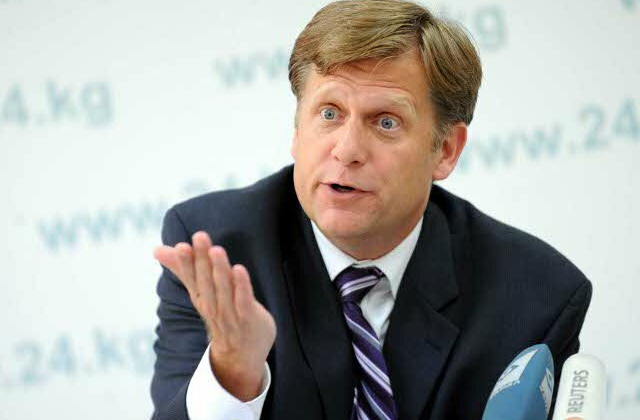
McFaul on Zhirinovsky’s Rhetoric and Putin’s Ideology
According to ХВИЛЯ: Speaking on the Kyiv Independent’s YouTube channel, Michael McFaul-a former U.S. ambassador to Russia-said he sees the intellectual origins of President Vladimir Putin’s ideology in Vladimir Zhirinovsky’s rhetoric. During the 1990s, Zhirinovsky repeatedly claimed that the Cold War had not actually been lost and pointed to 30 million Russians living outside Russia, including in Ukraine. Putin, McFaul argues, did not start out as a fascist; instead, he later adopted Zhirinovsky’s language “purely instrumentally” before eventually becoming a real believer.
Parallels Between Zhirinovsky and Hitler
McFaul also drew comparisons between Zhirinovsky and Hitler, seeing a parallel between the collapse of the Soviet Union and Germany’s defeat in World War I. Over time, he said, the nationalist rhetoric of the early 1990s was absorbed into official state policy. Zhirinovsky received a quarter of the votes in the 1993 parliamentary elections, but by 1996 his popularity had faded, and McFaul thought the threat had passed.
Yet the rhetoric did not disappear. In December 2021, Zhirinovsky declared from the State Duma rostrum that everyone would feel certain events at 4 a.m. on February 22. That forecast was wrong: Russia’s full-scale invasion of Ukraine began two days later. McFaul says the parallels are abundant:
Zhirinovsky said that we didn’t lose the Cold War, and the 30 million Russians abroad-including in Ukraine-needed to be brought together. - Michael McFaul
Zhirinovsky’s ideas, voiced decades ago, continue to shape Russian politics, McFaul suggests. His assessment highlights the importance of closely reading past political rhetoric for clues to Kremlin decisions. Ideas that once appeared obsolete have gained new momentum in the context of Moscow’s aggressive foreign policy, showing how historical narratives can have lasting effects on national identity and policy. His comments arrive as Western policymakers continue to debate the ideological drivers of Russia’s war. For the international community, the episode underscores the need to track such currents closely as they evolve.
As McFaul emphasizes the enduring influence of Zhirinovsky's rhetoric on Putin's ideology, it's crucial to recognize that the roots of Russia's aggressive actions extend beyond a single leader. For a deeper understanding of the societal factors driving these atrocities in Ukraine, consider exploring how the broader Russian society contributes to this troubling narrative. Insights from former U.S. envoy shed light on these dynamics, highlighting the collective responsibility behind the ongoing conflict. Read more about this perspective here.

Read also