Ukrainian Exports Decline 3% in 2025 Despite Economic Growth

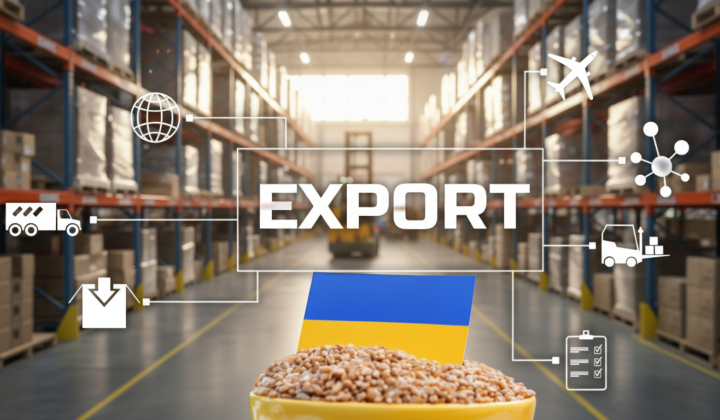
Ukrainian Export Figures for 2025 Show Contraction
According to ХВИЛЯ: Ukraine's exports fell by 3% in 2025, totaling $40.5 billion, even as the country's economy grew by 2%. This data was reported by Oleksiy Sobolev, the Minister of Economy, Environment, and Agriculture. He attributed the export decline primarily to wartime logistical constraints, including the shutdown of businesses located near the front lines. This highlights the ongoing economic strain of the conflict, where growth in one sector does not automatically translate to trade performance.
Developing a New Export Strategy
Minister Sobolev described the past year as a difficult one for Ukrainian exports.
"This figure is, unfortunately, still far below our 2021 levels,"
he stated. He emphasized that logistical issues, particularly the destruction of port infrastructure, have severely impacted the nation's export capacity.
"Everyone remembers the images of grain spilled at the Polish border or the footage of port infrastructure destroyed by Russia,"
he added.
In 2025, the Export Credit Agency (ECA) supported exports worth 40.4 billion hryvnias, a 40% increase over 2024. The minister stressed the urgent need to shift the export strategy toward finished goods with higher added value.
"We must learn to export greater value in smaller volumes, because logistical limitations exist and will persist,"
Sobolev emphasized.
The minister outlined key sectors for strategic redirection:
- Exporting finished furniture instead of raw timber;
- Focusing on metal products and machinery rather than scrap metal;
- Prioritizing processed goods like oil and meal over raw soybeans and rapeseed.
"There is significant work ahead regarding financing instruments, risk insurance, and coordination with the National Bank and international financial institutions," he concluded.
The export situation underscores the complex challenges facing Ukraine's wartime economy. Major infrastructure losses and supply chain disruptions continue to hinder traditional sectors like agriculture. A strategic pivot toward higher-value exports is now seen as a critical pathway to economic resilience and recovery in the face of prolonged adversity.

Read also