EU Highlights Security Challenges and Institutional Fatigue Behind Separate EU Talks for Ukraine and Moldova

EU Accession Talks: Ukraine and Moldova on Different Paths
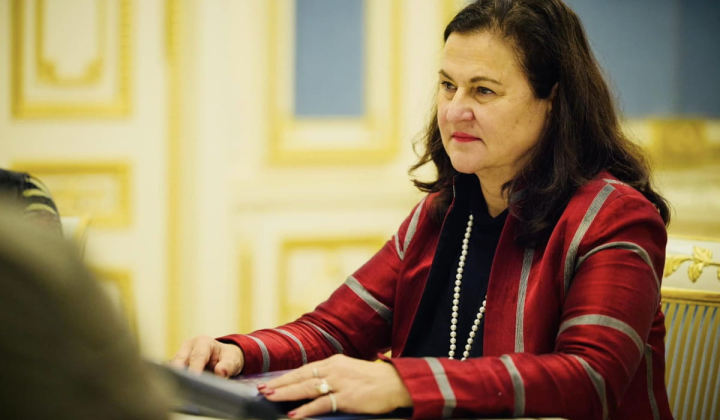
According to 5 канал: Katarina Maternova, the European Union Ambassador to Ukraine, outlined the reasons why Ukraine and Moldova might have distinct negotiation tracks for EU membership. The main factors are the stark differences in their security environments and the institutional fatigue within Ukraine’s parliament. She emphasized that Moldova is advancing more swiftly toward EU accession, partly because it is not facing full-scale warfare despite ongoing Russian hybrid aggression.
Maternova also pointed out the unprecedented strain on Ukraine's parliament, which has operated continuously for eight years without renewal-a rarity in democratic nations.
“Eight years is beyond the norm! Very few parliaments can sustain such prolonged activity. In most democracies, legislative bodies would have been replaced through elections by now. But holding elections in Ukraine amid active shelling and martial law is impossible,” she explained.
Future Outlook for Moldova and Ukraine
Meanwhile, EU Enlargement Commissioner Marta Kos forecasts that Moldova could reach the negotiation stage currently held by Montenegro as early as 2027, assuming reform momentum is maintained. Moldova's progress is supported by a newly elected parliament following recent elections, accelerating its path toward European integration.
In June 2026, Petro Poroshenko, Ukraine’s fifth president and leader of the European Solidarity party, warned about the risk of splitting the negotiation process due to slow reform implementation in Ukraine.
“Is there a risk that Ukraine and Moldova will be separated? Clearly, yes. But it’s not because Ukraine lacks support. Moldova has already completed half of their plan, while Ukraine hasn’t even started,” he stated during a meeting with Marta Kos.
Key reform areas critical for Ukraine’s EU prospects include:
- Rule of law
- Judicial independence
- Reform of the State Bureau of Investigations (DBR)
- Financial monitoring reform
Maternova further stressed the importance of Ukraine seizing the current opportunity window to advance EU membership. “There’s no need to draft laws in bomb shelters or under daily bombardments. Moldova isn’t at war. This is only one part of the challenge,” she noted, underscoring the role of stability in achieving progress in negotiations.
The situation surrounding Ukraine and Moldova’s EU accession talks reveals the substantial hurdles Ukraine faces, especially regarding security and political stability. The disparity in reform speeds between the two countries could significantly affect their chances of successfully joining the EU. Continued support from the European Union remains a crucial factor that could help Ukraine overcome these difficulties.
As the discussion around Ukraine's and Moldova's EU accession progresses, it's important to note the anticipated developments in Ukraine's negotiation process. According to EU Commissioner Marta Kos, there is a possibility that the remaining negotiation clusters for Ukraine may open as soon as December 2023. This timeline could significantly impact Ukraine's reform efforts and its trajectory toward EU integration. For further details on this anticipated progress, you can read more about the upcoming negotiation stages for Ukraine.

Read also