European Commission Moves to Expand Frontex’s Role and Boost Its Workforce

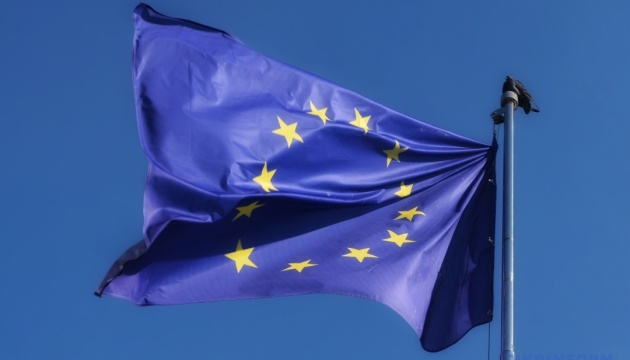
European Commission Proposes Major Upgrades for Frontex
According to Укрінформ — Мігранти: The European Commission has put forward plans to strengthen Frontex by broadening its mandate and increasing its personnel. This initiative aims to position Frontex as a leading EU agency responsible for managing external borders and overseeing the return of irregular migrants. The proposed reforms include new regulations designed to enable faster and more effective operations in these critical areas.
Established in 2005, Frontex has long supported EU member states in border management and safeguarding the Schengen Area. While the current Frontex regulation came into effect in 2019, its responsibilities have expanded due to challenges such as the COVID-19 pandemic, Russia’s invasion of Ukraine, and attempts to weaponize migration at EU borders. Under the new proposals, key measures include:
- building a reinforced Standing Corps with up to 30,000 staff members;
- creating a European pool of border guards and return experts totaling 17,000 personnel;
- establishing rapid response teams for crisis intervention;
- launching a new online monitoring center for early threat detection;
- setting up a dedicated Coordination Center focused on return operations.
Frontex will gain enhanced authority, including the ability to coordinate return operations between third countries once agreements are in place. The agency will also be empowered to monitor publicly available social media content to detect events relevant to border management and counter illegal activities online. These proposals await approval from the European Parliament and the Council of the EU, with the EU earmarking an additional €130 million to defend borders against drone threats.
'Our shared external borders face significant tests amid evolving geopolitical and security challenges, calling for a more decisive and efficient European response.' European Commission Press Service
European Commission President Ursula von der Leyen emphasized, “Europe will always protect its borders. It is Europe that decides who enters our Union and under what conditions. This is why we are proposing today to reinforce Frontex, enabling the agency to support member states wherever and whenever necessary - especially in managing migrant returns - equipped with the mandate and resources that new realities demand.”
These proposals reflect growing concerns among EU countries about safeguarding their borders amid global pressures such as migration crises and geopolitical tensions. Expanding Frontex’s size and powers is expected to improve coordination among member states and enhance the EU’s capacity to respond effectively to migration and security threats. This initiative underscores the critical importance of collective action in maintaining stability and security across the European Union.
In light of these proposed enhancements, it is crucial to understand the broader context of EU border security initiatives. Recently, the European Commission also unveiled a comprehensive strategy aimed at strengthening the control of external borders and tackling smuggling networks. This multifaceted approach complements Frontex's expanded role and highlights the EU's commitment to addressing ongoing challenges in border management. For further insights, read more about this strategic plan in our detailed coverage to reinforce EU external border security.

Read also