Slovakia Sees Widespread Demonstrations Against Fico’s Policies on Velvet Revolution Anniversary

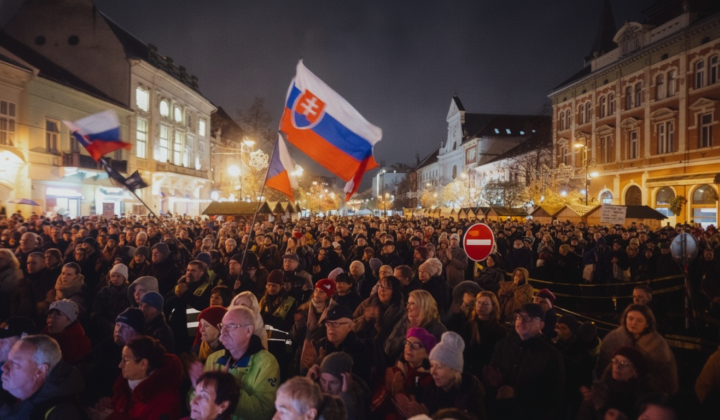
Massive Protests Erupt Across Slovakia
According to Рубрика — Політика: On November 17, 2026, tens of thousands of Slovaks took to the streets in a nationwide wave of protests aimed at the government led by Prime Minister Robert Fico. The demonstrations coincided with the anniversary of the 1989 Velvet Revolution, a pivotal moment that ended communist rule in the country. In the capital Bratislava alone, opposition groups estimate around 25,000 people participated. The protesters rallied against Fico’s administration, particularly condemning its close ties with Russia, increased control over media outlets, and restrictions imposed on LGBTQ+ rights.
Robert Fico, who has returned to power in 2023, has served four terms as Slovakia’s prime minister over the past two decades. His government faces mounting criticism for maintaining a pro-Russian stance, including rejecting military aid to Ukraine. In 2025, the Slovak parliament amended the Constitution to prioritize national law over European Union regulations, raising concerns about Slovakia’s relationship with the EU. Further controversy arose in October 2026 when Foreign Minister Juraj Blanár visited Moscow for a Russian-Slovak intergovernmental commission meeting. The government postponed public discussions of the visit's outcomes from Wednesday to Tuesday, fueling suspicion.
Opposition Parties Unite in Defiance
The protests were organized by a coalition of opposition parties, including:
- Progressive Slovakia
- The Democrats
- Freedom and Solidarity
- Christian Democrats
- The Alliance of Hungarian Communities
These groups aim to unseat Fico’s government in the upcoming 2027 parliamentary elections. Protesters voiced deep concerns about the future of democracy in Slovakia. As activist Vladimira Martinkova put it,
“I worry about the fate of democratic freedoms here. On this day marking the revolution that ended communism, the government was discussing cooperation with Russia.”
Opposition leaders also criticized Fico for tightening his grip on independent media and cultural institutions. Opposition figure Jaroslav Nad expressed,
“I refuse to watch as the government dismantles free media and civil society, while Fico kowtows to Putin.”
Meanwhile, Igor Vico emphasized,
“We are the last in the European Union negotiating with Russia. It’s a disgrace.”
The large-scale protests on November 17 sent a clear message to Fico’s administration, reflecting growing public dissatisfaction and mounting opposition pressure.
This unrest highlights increasing political tensions within Slovakia, where opposition forces seek to channel popular discontent to shift the country’s trajectory. With parliamentary elections scheduled for 2027, these demonstrations could prove decisive in shaping Slovakia’s future political landscape and its commitment to democracy and human rights. The situation also reveals deep societal divisions over Slovakia’s geopolitical orientation, especially its controversial ties with Russia, which could affect its standing within the European Union and among its international partners.

Read also