EU Commission Urges Ukraine to Address Human Rights Issues as Pорошенко's Sanctions Face Supreme Court Challenge

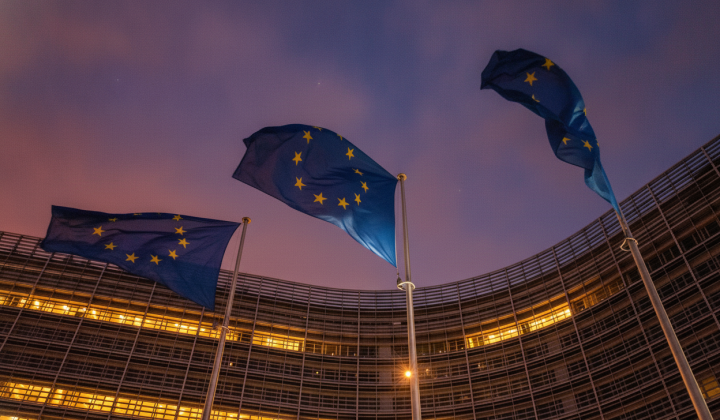
Overview of Sanctions and Human Rights in Ukraine
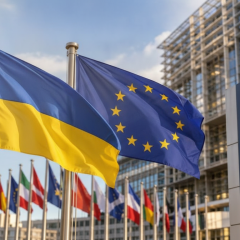
According to 5 канал: The European Commission’s 2026 annual report on EU enlargement highlights the urgent need for Ukraine to align its national sanctions framework with the European Convention on Human Rights. The report points to ongoing challenges in implementing judgments from the European Court of Human Rights (ECHR), alongside concerns over violations of property rights and fair trial guarantees. Documented human rights abuses in Ukraine include breaches of personal freedom, bodily integrity, and prohibitions against torture.
Ukraine is called upon to resolve systemic shortcomings in its justice system, law enforcement practices, and human rights protections. Against the backdrop of martial law, Ukrainian authorities have imposed sanctions targeting individuals, notably the fifth President, Petro Poroshenko. In February 2025, President Volodymyr Zelensky signed a decree imposing asset freezes and other restrictions on Poroshenko.
Legal Proceedings and European Parliament’s Position
Legal battles over these sanctions continue, with Poroshenko contesting the decree before Ukraine’s Supreme Court. On July 8, 2026, the European Parliament adopted a resolution related to the European Commission’s 2025 report on Ukraine. The resolution passed with 460 votes in favor, 136 against, and 59 abstentions. It emphasizes the critical importance of upholding the rule of law, political pluralism, freedom of expression, and media independence.
The European Parliament urges Ukrainian authorities to avoid politically motivated prosecutions and sanctions against opposition figures. It stresses that any restrictions imposed during martial law must be necessary, proportionate, and temporary. Poroshenko’s legal team has referenced a 16 October 2025 ECHR ruling revealing systemic flaws in Ukraine’s sanctions regime.
The Supreme Court’s Grand Chamber is scheduled to hear Poroshenko’s appeal on November 24, 2026, and the ECHR has accepted his case. The European Commission underscored that
“the application of national sanctions must remain within the parameters set by the European Convention on Human Rights.”
The controversy surrounding sanctions against Petro Poroshenko is a pivotal legal issue in Ukraine, spotlighting the country’s struggle to balance national security measures with human rights obligations. The European Parliament’s call for adherence to the rule of law and avoidance of politically driven sanctions could shape Ukraine’s judicial reforms and its relationship with the EU. The upcoming Supreme Court decision is expected to have significant implications for political stability and public confidence in the judiciary.
In light of the ongoing legal challenges surrounding sanctions in Ukraine, it's essential to examine how recent judicial decisions impact military procedures and broader human rights issues. The recent ruling by the Constitutional Court, which deemed the current military bail revocation process unconstitutional, highlights the complexities within Ukraine's legal framework. For a deeper understanding of these intertwined issues, you can read more about the court's decision and its implications here.

Read also