Rediscovery of Sargassum howeanum Underwater Forests Off Australia After 90 Years Missing

The Rediscovery of Underwater Sargassum howeanum Forests
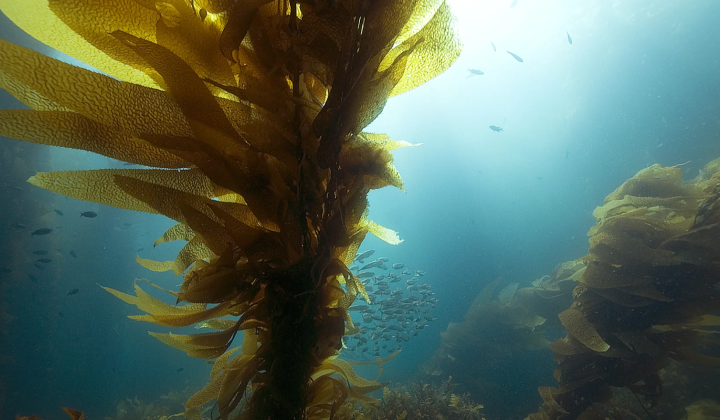
According to НВ — Техно: Off the coast of Australia, scientists have uncovered thriving underwater forests of the seaweed Sargassum howeanum, a species thought to have vanished for over nine decades. This breakthrough came in 2022 through the use of deep-sea cameras, which captured mature specimens growing at depths between 20 and 38 meters. Researchers observed a remarkable 22-fold increase in the area covered by these Sargassum forests compared to archival data from 2009, 2013, 2017, and 2022.
Historical Context and Ecological Importance of Sargassum howeanum
First documented by botanist Lucas in 1935 near Lord Howe Island, Sargassum howeanum had eluded detection for more than 90 years, making this rediscovery a significant scientific milestone. Adult plants were found to reach lengths of up to 72 centimeters and possessed reproductive structures.
"These mature Sargassum howeanum plants can grow as long as 72 centimeters and bear reproductive organs." – Gerald Kraft
While seaweed populations have declined in other parts of the world-such as kelp forests in Tasmania and Northern California, which have shrunk by 95% due to marine heatwaves and sea urchin outbreaks-the waters around Lord Howe Island at depths of 20 to 50 meters have remained cooler and more shielded from tropical herbivorous fish until recently.
Moreover, these seaweed forests play a vital ecological role by absorbing nearly 56 million tonnes of carbon annually, highlighting their significance in marine carbon cycling. The rediscovery of Sargassum howeanum offers promising new avenues to study marine ecosystems and their potential recovery.
This finding carries important environmental implications, emphasizing the crucial role of these seaweed forests in carbon sequestration and sustaining marine biodiversity. It also underscores the value of continued marine research to better understand how seaweeds adapt to climate change and the various threats facing ocean life. In an era of global warming and biodiversity loss, such discoveries are key to protecting and managing marine resources effectively.
The discovery of thriving underwater forests off Australia highlights the importance of marine ecosystems, much like the recent findings in the Gulf of Mexico, where a significant electronics dump was uncovered at extreme depths. This incident raises questions about human impact on the ocean floor and parallels the ecological significance of underwater habitats. For more insights on this intriguing find, explore the details of the sunken electronics dump in the Gulf of Mexico.

Read also