FIDE Demands Russia Report on Chess Withdrawal from Occupied Ukrainian Territories

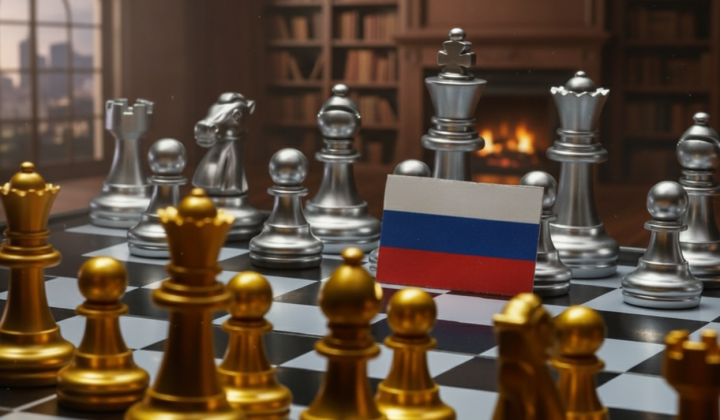
FIDE's Ultimatum to the Russian Chess Federation
According to Главком: The International Chess Federation (FIDE) is demanding that the Russian Chess Federation (RCF) provide a detailed account of steps taken to halt all chess activities in Ukraine's occupied regions. This directive stems from a March 11, 2026 ruling by the Court of Arbitration for Sport (CAS), which orders the RCF to cease chess operations in the Autonomous Republic of Crimea, Donetsk, Luhansk, Kherson, Zaporizhzhia regions, and the city of Sevastopol. Failure to comply will trigger a three-year suspension of the RCF's FIDE membership.
FIDE insists on a public confirmation of compliance from the RCF. Should the Russian Chess Federation fail to meet these obligations, FIDE is obligated to suspend its membership for a three-year period, with reinstatement possible only after the conditions are fulfilled. In its official communication, FIDE stated:
'We request that you formally inform us of the measures and actions taken by the RCF in connection with the implementation of the decision of the Court of Arbitration for Sport (CAS) dated March 11, 2026.'
The CAS Ruling and Its Implications
The CAS decision, released on March 27, followed an appeal by the Chess Federation of Ukraine against actions of the FIDE Ethics and Disciplinary Committee's Appeal Chamber. In September 2024, that chamber had already determined that the RCF violated the territorial integrity and sovereignty of the Chess Federation of Ukraine, as well as FIDE's charter and its ethical and disciplinary code. The arbitration court concluded that the previous fine imposed on the RCF was entirely disproportionate to the nature and severity of the violations. Consequently, CAS overturned the earlier sanction and ordered the RCF to discontinue chess activities in the specified regions within 90 days of the ruling.
This FIDE decision underscores the importance of upholding international sports norms, particularly amid geopolitical tensions. For context, the potential suspension of the RCF could have far-reaching consequences for Russia's chess community, as it aligns with broader international efforts to pressure Russia over its actions in Ukraine. Furthermore, it jeopardizes the participation of Russian chess players in international competitions, potentially impacting their careers and the growth of the sport within the country.
As the chess community grapples with the implications of FIDE's demands, similar actions have been observed in other sports. For instance, UEFA's recent decision to exclude Russian clubs from European competitions highlights a broader trend of sanctioning organizations that violate territorial integrity. This context emphasizes the significant repercussions that the Russian Chess Federation may face if it fails to comply with FIDE's ultimatum.

Read also