After 124 Years, NYC’s Iconic Flatiron Building Gets Its First Exterior Lighting

Restoring the Flatiron Building
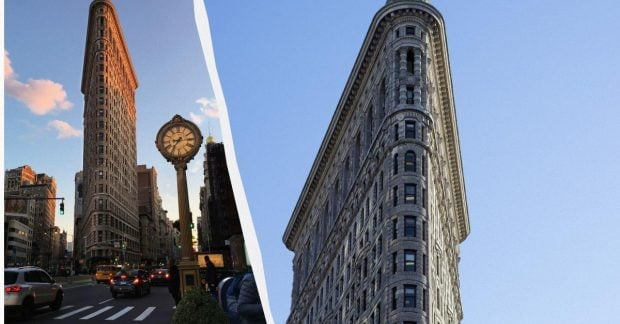
According to УНІАН — Туризм: For the first time in 124 years, New York City’s Flatiron Building now features exterior lighting, part of a major restoration and conversion into a residential complex. This milestone underscores a pivotal moment in preserving and updating one of the city’s most renowned architectural landmarks. Completed in 1902, the structure rises 24 stories and 93 meters, making it one of the world’s earliest skyscrapers.
Architectural Highlights and Modern Adaptation
The Flatiron is celebrated for its distinctive triangular shape and pioneering steel-frame construction. Architect Daniel Burnham designed the building, leaving a lasting mark on early 20th-century architecture. During the renovation, over 1,000 windows were replaced, and thousands of terracotta elements were restored. Special attention was also given to repairing the 6-foot (roughly 2-meter) cornice.
According to a project representative,
“The Flatiron Building is now illuminated for the first time in its 124-year history, marking a significant milestone in the restoration of its exterior and its transformation into a residential complex for this architectural icon.”
Starting prices for three-bedroom apartments in the new residential complex reach $14.85 million. This renovation not only highlights the building’s historical importance but also meets modern standards of comfort and aesthetics. The Flatiron Building continues to stand as a vital symbol of New York, blending history with contemporary life.
The Flatiron’s restoration reflects a broader trend in New York City focused on preserving historic landmarks and adapting them for modern living. Growing demand for downtown housing is driving developers to convert such architectural masterpieces into residential complexes that align with current standards. This approach helps safeguard cultural heritage while creating new opportunities for urban living in a dynamic city environment.

Read also