How to File an Employee Complaint: A Guide to the Formal Process

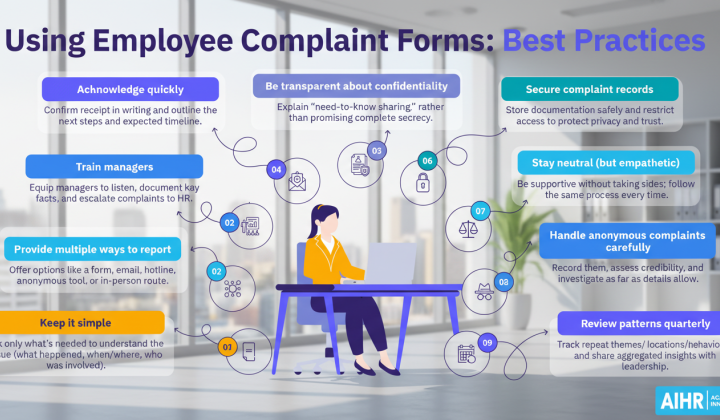
Navigating the Employee Complaint Process
According to AIHR: In any workplace, situations can arise where employees encounter conflicts or issues that require a formal channel for resolution. The employee complaint form serves as a vital tool for addressing these matters, providing a structured method to document workplace problems and initiate a formal review. Understanding this process is a key part of maintaining professional standards and employee rights in many organizations.
Research from CIPD found that 47% of employees who face a conflict at work 'simply leave it,' choosing not to voice their concerns or submit a formal complaint. This statistic highlights a significant gap in workplace knowledge, indicating that many staff members are unsure how to properly prepare and file their grievances.
Types of Complaint Forms and Their Application
A standard employee complaint form typically includes fields for:
- Employee's name
- Department
- Direct supervisor
- Email address
- Phone number
- Description of the issue
Several types of complaint forms exist, each designed for specific situations such as harassment, safety violations, ethical concerns, or disputes over pay and benefits. Utilizing a template not only streamlines the filing process but also helps prevent errors. Free complaint form templates are widely available and can be customized to meet an organization's specific requirements.
Effective use of an employee complaint form involves following several best practices. These include clearly articulating the problem, providing factual evidence, and selecting the appropriate form type for the specific situation. Proper preparation and submission can significantly influence the speed and effectiveness of the complaint's review.
The importance of a correctly filed complaint is increasingly relevant in today's work environments, where unresolved conflicts can negatively impact productivity and team morale. Knowledge of this formal procedure empowers employees to better protect their rights and seek assistance when needed. This understanding can ultimately contribute to fostering a healthier, more transparent, and more productive workplace for everyone.

Read also