A compound capable of stopping age-related muscle atrophy has been discovered by Japanese researchers.


Breakthrough from Kyushu University
According to НВ — Техно: Researchers based at Kyushu University in Japan have shown that a substance called lipoic acid trisulfide (LASSS) can block the nitration of hepatocyte growth factor (HGF). In doing so, it doubles the ability of HGF to bind to c-met receptors and lowers nitration levels in mouse models of muscle atrophy. The findings appeared in Scientific Reports on August 8 and could provide the foundation for new therapeutic strategies against sarcopenia, the progressive, age-related decline in muscle mass and strength. Sarcopenia is increasingly recognized as a major contributor to disability and loss of independence in aging populations.
Sarcopenia's toll on health
Muscle loss can begin as early as age 30 and accelerates noticeably after 60. The body ordinarily relies on hepatocyte growth factor (HGF) to repair muscle tissue, but with aging this protein undergoes nitration, which impairs its function. To investigate possible countermeasures, the team tested two sulfur-based antioxidant compounds: glutathione trisulfide (GSSSG) and lipoic acid trisulfide (LASSS).
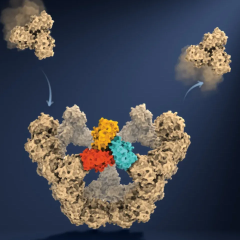
The experiments showed that LASSS completely prevented nitration and doubled the efficiency with which HGF attached to c-met receptors. This indicates that LASSS triggers structural alterations in HGF, yielding a more stable and active version of the protein.
When tested in mouse models of muscle atrophy, LASSS markedly reduced nitration levels in living tissue. Potential uses arising from these findings include:
- preserving strength in old age;
- addressing muscle wasting, fibrosis, and fatty infiltration.
The research team plans longer-term studies in older animals and, eventually, clinical trials in humans to verify whether LASSS can effectively combat sarcopenia.
The work is ongoing, and the outcomes could open new pathways for preventing and treating age-related changes in muscle tissue.
This discovery could meaningfully change how sarcopenia is managed, a pressing issue for older adults. Since the condition can raise the risk of falls and diminish quality of life, LASSS-based therapies might offer a way to improve physical function and well-being in later years.
As researchers delve deeper into the mechanisms of aging, understanding the role of the immune system becomes increasingly important. A recent Stanford study highlights immune failure as a significant factor in the aging process, which may complement findings on muscle atrophy and sarcopenia. Exploring these interconnected aspects could pave the way for comprehensive approaches to enhance health in older populations.

Read also