CIA Officers and Havana Syndrome 2014–2024: Russian Intelligence and U.S. Cover-Ups

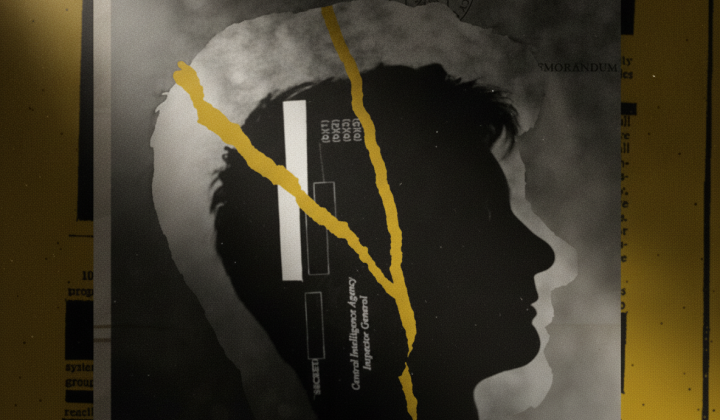
Understanding Havana Syndrome: Symptoms and Allegations
According to ХВИЛЯ: Over the past decade, numerous CIA officers have experienced a mysterious set of symptoms collectively known as Havana Syndrome. First reported in 2016, these health issues were initially linked to incidents in Havana, Cuba. Affected individuals commonly report severe headaches, dizziness, and other unusual neurological effects, sparking suspicions of covert interference by Russian intelligence agencies.
Documented Cases and Investigations
Notable incidents include a senior CIA officer who awoke with intense head pain in London in April 2019, and a similar case in Warsaw later that year. Mark Polimeropulos, a prominent CIA operative who became deputy chief of operations for Europe and Eurasia in 2017, experienced Havana Syndrome symptoms while in Moscow in December of that year. In 2023, Polimeropulos was granted compensation under the Havana Act.
Investigative journalists from CBS and The Guardian have extensively examined these events, often attributing them to Russian intelligence actions. They have criticized U.S. authorities for allegedly withholding critical information. A government-appointed scientific panel in 2022 confirmed the reality of Havana Syndrome symptoms and suggested they could result from external sources. However, in 2023, the U.S. intelligence community concluded that foreign adversary involvement was "highly unlikely." Towards the end of President Biden’s term, five agencies found no significant threat, though one rated the possibility of a weaponized attack as "roughly equal." This ongoing uncertainty highlights the challenges faced by intelligence and health experts in diagnosing and addressing the phenomenon.
Professor David Relman, head of the scientific group investigating the syndrome, noted that some cases might be linked to pulsed microwave energy. By late 2024, U.S. authorities reportedly acquired a device from the darknet, traced to Russia’s illicit networks, capable of inducing Havana Syndrome-like symptoms. This portable device demonstrated similar effects during animal testing.
The CIA uncovered mobile phones connected to Russian spies near the 2019 incident sites in London and Warsaw. CIA Director Gina Haspel reportedly withheld these findings from President Trump due to concerns over her position. Former CIA Director Bill Burns denies any agency cover-up. Meanwhile, attorney Mark Zaid, representing more than 30 affected individuals, argues that the CIA is protecting its reputation.
Investigative journalist Christo Grozev links these incidents to the GRU’s Unit 29155, implicating Russia’s military intelligence in orchestrating the attacks. Georgetown University neurology professor emeritus James Giordano rejects skepticism around Havana Syndrome, emphasizing the existence of objective clinical evidence.
"The Russians are our enemies-I put them on the same level as Al-Qaeda, the Taliban, or any other groups I have fought against."
Mark Polimeropulos
The debate surrounding Havana Syndrome continues among experts and U.S. government bodies. In 2024, U.S. National Intelligence Director Tulsi Gabbard rescinded previous assessments from the Biden administration, accusing them of distortion without providing new evidence. Conflicting views on the syndrome’s origin persist, leaving its true cause unresolved.
Havana Syndrome remains a contentious and complex issue, highlighting the difficulties of safeguarding personnel amid evolving geopolitical tensions. The situation underscores the urgent need for transparent investigations and clear communication from government agencies to prevent further diplomatic strain and ensure the safety of American operatives abroad. Concurrently, advances in technology and the potential use of novel devices as weapons call for vigilant scrutiny by intelligence and scientific communities.

Read also