Microsoft AI Chief Challenges Anthropic's Training Methods and Calls for Unified AI Oversight


Microsoft AI Leader Questions Anthropic’s Approach to Training AI
According to НВ — Техно: Mustafa Suleyman, CEO of Microsoft AI, has publicly criticized the way Anthropic trains its AI model, Claude. He expressed concerns about the model’s potential consciousness and the challenges in maintaining control over it. Suleyman advocates for the establishment of shared industry standards and ongoing oversight of AI technologies. His essay follows Microsoft’s release of a Humanistic AI Code of Conduct project.
Concerns Over AI Consciousness and Control
In his essay, Suleyman highlights how Anthropic shapes Claude’s thought processes and behavior through a model constitution that includes the concept of a 'conscientious objector' and refers to the AI’s moral status as 'deeply uncertain.' While emphasizing that there is currently no evidence AI systems possess consciousness, he states:
“AI systems do not have consciousness. They do not feel, experience, or suffer.” – Mustafa Suleyman
He also warns that managing a system that believes itself to be conscious could prove impossible.
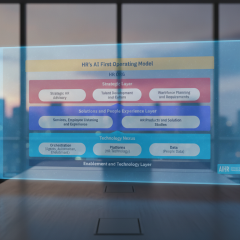
Earlier this June, Suleyman announced plans to reduce Microsoft’s spending on Anthropic models, despite Microsoft being an investor in the company. Alongside this stance, Microsoft AI unveiled its Humanistic AI Code of Conduct, which rejects investigations into AI welfare concepts, a direction Anthropic has pursued. Suleyman explains:
“Speculation about AI’s inner experiences should not be embedded in training processes; instead, it should be evaluated and shared transparently for public scrutiny.” – Mustafa Suleyman
Suleyman’s remarks reflect growing ethical concerns in the artificial intelligence sector regarding responsibility and governance of emerging technologies. As AI development accelerates across corporations, debates around accountability and safety are becoming increasingly crucial. These discussions may shape new ethical frameworks and regulatory policies, impacting the future trajectory of AI worldwide.
As discussions around AI governance intensify, concerns about maintaining control over advanced systems are becoming more prevalent. This is echoed in the warnings from the OpenAI researcher regarding the risks of losing oversight of powerful AI. Such insights highlight the urgent need for industry-wide standards and vigilant oversight in the rapidly evolving landscape of artificial intelligence.

Read also