Utah Geothermal Well Transformed into a 1600-Channel Seismograph Reveals Fresh Insights on Microearthquakes

A Massive Fiber-Optic Seismic Sensor Network
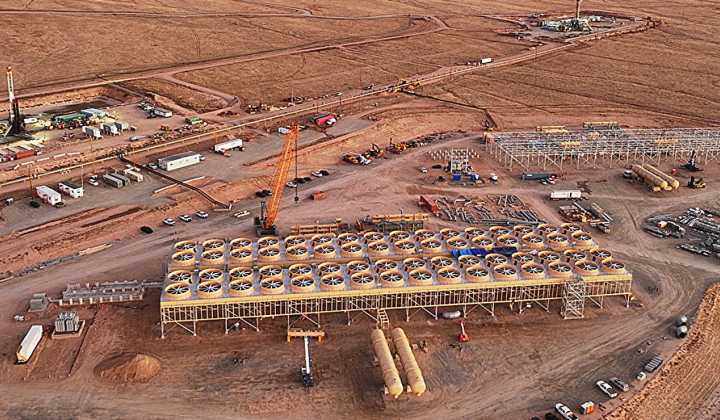
According to НВ — Техно: Scientists have converted a 3-kilometer-deep geothermal well in Utah into an expansive seismograph equipped with 1600 individual sensors. By utilizing fiber-optic cables and distributed acoustic sensing technology, researchers created sensor channels spaced every two meters along the wellbore. This setup enabled the detection of seismic waves generated by thousands of tiny tremors within several kilometers around the installation.
Key Findings from the Study
The investigation showed that seismic waves weaken near the Earth's surface, while rock formations at greater depths transmit these signals more clearly. This highlights the critical role of depth in how seismic energy propagates underground. Additionally, researchers discovered that the amount of stress released during subterranean fault slips does not correlate with the earthquake’s magnitude, suggesting new directions for future seismic research.
Despite these advances, fiber-optic sensors have limitations. They predominantly respond to waves moving parallel to the cable’s orientation, potentially impacting measurement precision. Furthermore, the sensor’s sampling intervals often filtered out higher-frequency signals. As a result, scientists recommend calibrating the data with empirical approaches to improve accuracy.
The findings were published in the Journal of Geophysical Research: Solid Earth, underscoring their significance to the scientific community.
This experiment took place at the Cape Modern geothermal site in Utah, demonstrating practical applications of innovative seismic monitoring technologies.
By harnessing fiber-optic sensing in geothermal wells, this research paves the way for more precise earthquake monitoring, which is increasingly vital amid the rise in natural disasters worldwide. Gaining a clearer understanding of deep-earth processes could enhance early warning systems and help mitigate risks for communities in seismically active regions.
Understanding the mechanisms behind seismic activity is crucial for improving monitoring techniques. Recent studies, such as those exploring how tidal forces influence slow earthquakes, reveal the complex interactions that can trigger seismic events. Such insights complement the findings from the Utah geothermal well study, highlighting the multifaceted nature of earthquake research.

Read also