William Browder Discusses Sanctions on Russia and Trump’s Diesel Deal at Warsaw Security Forum

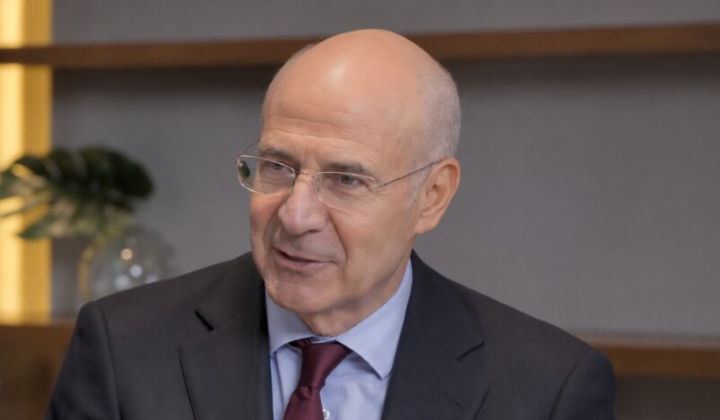
Sir William Browder Speaks at the Warsaw Security Forum
According to ХВИЛЯ: During the Warsaw Security Forum, Sir William Browder, head of the Global Magnitsky Justice Campaign, shared his views on the effectiveness of sanctions against Russia, the controversial diesel agreement between Donald Trump and Vladimir Putin, attacks on Ukrainian oil refineries, sanction evasion, frozen Russian assets, and prospects for a peace settlement.
Reflecting on sanctions, Browder emphasized that the term
“sanctions” is much broader than it initially appears.
He recalled that the Magnitsky Act became law in 2012, but widespread application against Putin-linked individuals only intensified after Russia’s 2022 full-scale invasion, despite the 2014 Crimea annexation. Since then, hundreds of billions of dollars in Russian central bank reserves have been frozen, Russia has been cut off from international capital markets and air travel, and most goods exports to Russia halted. Browder explained,
“We froze hundreds of billions of dollars of Russia’s central bank reserves, severed its access to international capital markets and aviation, and stopped most goods from reaching the country.”
However, Browder expressed concern that sanctions have not targeted buyers of Russian oil. He highlighted the recent passage of the Lindsey Graham Act, supported by approximately 89 U.S. senators, aimed at strengthening sanctions. Over the weekend, Trump announced plans for the U.S. to purchase Russian diesel fuel, a move that drew sharp criticism. Browder stressed,
“America will buy Russian diesel,”
underscoring that
oil-related sanctions remain the most critical.
Impact of Attacks on Ukrainian Oil Refineries and Pressure Over Sanctions
Addressing strikes on Ukraine’s oil refining infrastructure, Browder noted that 51% of Ukraine’s refining capacity has been destroyed, with damages reaching tens of billions of dollars. He voiced alarm that the U.S. is now pressuring Ukraine not to target these refineries, warning this could hamper American manufacturers from selling $6.7 billion worth of equipment.
Browder also pointed out that Putin is desperate to halt airstrikes on Russian refineries, while Trump appears intent on leveraging his influence for financial gain. He emphasized the crucial role of European sanctions, stating that Europe is far more significant to Russia than the U.S. and acted swiftly by sanctioning 1,600 individuals within minutes of the war’s outbreak.
Calling for decisive measures, Browder warned that a fall of Ukraine would force a fiftyfold increase in spending on defense against Russia. He insisted that Russia must withdraw its troops from Ukrainian territory, pay war reparations, and hold war criminals accountable. Regarding lifting sanctions, Browder was clear:
“Sanctions cannot be removed without proper justice.”
This interview at the Warsaw Security Forum highlights the necessity of sustained international pressure on Russia through sanctions and the importance of backing Ukraine amid ongoing aggression. Browder stresses that success depends not only on economic restrictions but also on political decisions that will shape the region’s future in the face of Russia’s escalating threats.
In light of Browder's remarks, it's important to consider the broader implications of U.S. policies on Russian oil, particularly in the context of President Zelensky's condemnation of Trump's recent decisions. The Ukrainian leader's warnings highlight the potential dangers of continuing to engage in trade with Russia, which could inadvertently support the ongoing conflict in Ukraine.

Read also