Iran's Demand for Cryptocurrency Transit Fees in the Strait of Hormuz: A Strategic Setback for the U.S.

Iran's New Terms for the Strait of Hormuz
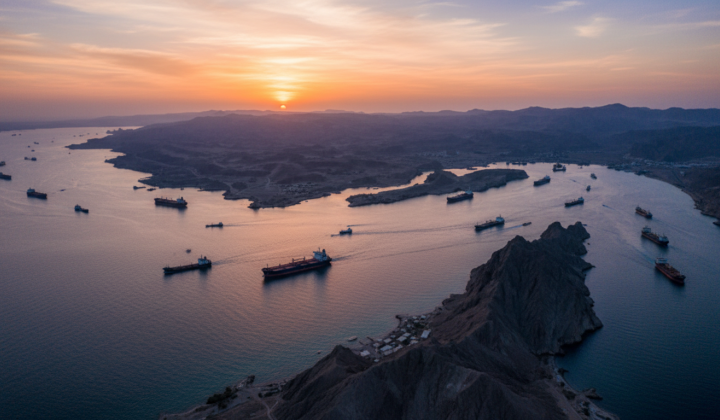
According to ХВИЛЯ: Iran has introduced new conditions for vessels transiting the strategic Strait of Hormuz, including a demand for cryptocurrency transit fees and mandatory coordination with Iranian military forces. Historian Niall Ferguson has described these demands as a strategic catastrophe for the United States, drawing parallels to the 1973 oil embargo. The Strait of Hormuz is a critical global chokepoint, through which about one-fifth of the world's oil supply flows.
Iran's Plan and Its Consequences
Recent statements indicate Iran plans to charge one dollar per barrel in cryptocurrency from each ship passing through the strait. This move is part of a ten-point Iranian plan aimed at maintaining control over the waterway. The number of vessels transiting has not increased since a ceasefire was announced, underscoring the gravity of the new requirements.
- Mandatory cryptocurrency fees for passage through the Strait of Hormuz.
- A requirement for vessels to coordinate transit with the Iranian military.
- Control over the strait as part of a broader ten-point Iranian plan.
“You cannot sign a deal that leaves them in their current position as a terrorist toll-collector on one of the world's biggest economic bottlenecks.” - Niall Ferguson
In an interview with The Free Press, Ferguson characterized the situation as 'the biggest energy shock of our lifetimes,' noting it presents a more complex challenge for Vice President Vance than the one Henry Kissinger faced during the 1973-74 oil embargo.
The historical context highlights that President Nixon dispatched Kissinger to persuade Saudi Arabia to lift the embargo, a shuttle diplomacy effort that lasted four months. Ferguson compares this to the current challenges, emphasizing that the situation surrounding the Strait of Hormuz could have far-reaching consequences for the global economy.
Iran's new transit fee demands could significantly impact global trade and energy markets. Any alteration to the regime governing this key oil transit route may lead to higher energy prices and heightened international tensions. Continued regional instability will likely require more active diplomatic efforts from world powers to ensure stability in this vital zone.
The recent developments have prompted strong reactions from the U.S. government, which views Iran's new transit fee demands as a significant escalation in tensions. This situation mirrors historical precedents, highlighting the delicate balance of power in the region. To understand the broader implications of these demands and the U.S. response, you can read more about the U.S. condemnation of Iran's proposed fees.

Read also