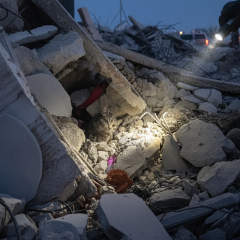
Iran Launches Ballistic Missiles at Israel for First Time Since April

Escalation Between Iran and Israel Reaches New Heights
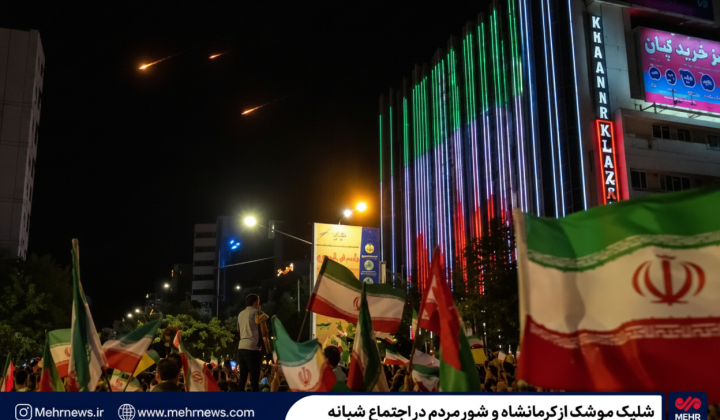
According to Главком: Iran has fired multiple waves of ballistic missiles at Israel in retaliation for Israeli strikes on Hezbollah command centers in the Dahieh district, a southern suburb of Beirut. This marks the first such missile launch since a ceasefire was in place back in April. Israel has vowed to respond to these attacks, while Iran frames its action as a direct response to Israeli operations in Lebanon.
On the morning of June 7, Hezbollah shelled northern Israel, further ratcheting up regional tensions. Prime Minister Benjamin Netanyahu and Defense Minister Israel Katz confirmed the strikes in a joint statement, underscoring the severity of the situation. The Israel Defense Forces (IDF) managed to intercept at least two of the missiles launched from Iran.
Impact on Regional Security
In light of the escalating tensions, schools across Israel will remain closed tomorrow. Tehran suspended negotiations with the United States on June 1 to protest Israeli actions in Lebanon, a move that signals a deterioration in diplomatic relations. Those talks had been ongoing following U.S. and Israeli strikes on Iran on February 28, 2026.
Regarding missile infrastructure, Iran has restored 50 out of 69 tunnel entrances that were disabled by U.S. and Israeli operations. In response to these developments, Iranian representative Mohammad Mokhber stated:
'Israel has set the negotiating table on fire for the third time.'
He added: 'With those who break agreements, we speak the language of force. The Axis of Resistance is a unified whole, and they will pay a high and painful price for this aggression.' Another Iranian official, Mohsen Rezaei, emphasized: 'Last night, the aggressors received their answer. This is a warning: stop your lawlessness-every new action will cost more and hurt more.'
In response, Israeli politician Itamar Ben-Gvir stated: 'Tonight, Tehran should burn.' The situation in the region remains volatile, and further actions by either side could trigger new escalations in the conflict.
This news highlights the growing friction between Iran and Israel, which carries serious implications for regional security. The lack of diplomatic efforts and the intensification of military actions suggest the situation may worsen, threatening not only both countries but also neighboring states. Continued hostilities could provoke further military confrontations, complicating an already fragile geopolitical landscape in the Middle East.
In the wake of Iran's missile strikes, the situation continues to evolve, with U.S. forces actively engaging in the region. Recent reports indicate that Iranian missiles were intercepted by American military assets as strikes targeted locations within Iran itself. This escalation highlights the complex dynamics at play and the potential for further conflict. For more on the ongoing military developments and their implications, read about the U.S. response to Iranian missile threats.

Read also