How Family Support and Income Levels Shape Everyday Life for Italians Living on 1000–1800 Euros

Challenges of Daily Life in Italy
According to Radiotrek — Світ: Daria, a Ukrainian woman living in Italy with her husband and two children, expressed doubts about sustaining a comfortable lifestyle on the average Italian monthly income, which ranges from 1600 to 1800 euros. She explains that despite earning these salaries, expenses such as housing, utilities, transportation, and groceries can significantly restrict a family's financial flexibility. Other Ukrainians living in Italy pointed out in response that many Italians earn even less, often only 1000 to 1200 euros per month.
Daria shared that her family currently rents their home and her children attend school locally. She emphasized how crucial family support is for many Italians, noting that parents frequently assist with buying homes, furnishing them, and offer financial help after children are born. Additionally, some Italians benefit from inherited assets like multiple apartments or houses that they rent out, providing a vital income boost that eases financial pressures despite modest wages.
Financial Struggles and Eating Habits
Reflecting on living standards, Daria mentioned that
"after paying all the bills, there is almost nothing left at the end of the month"
, especially for those who do not own property. She also stressed that
"the same salary can support very different lifestyles"
. For someone who owns a home, 1600 euros offers a different financial reality than for a renter with two children.
Regarding food, Daria described typical meals for many Italian families as being composed mainly of:
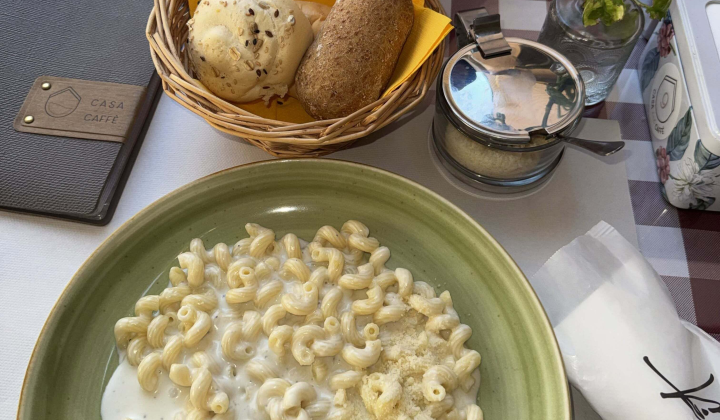
- pasta dressed with a small amount of oil and grated cheese;
- meat consumed roughly once a week;
- fish purchased infrequently, usually the most affordable options.
In contrast, Daria and her daughter spend more on groceries, regularly stocking their fridge with red fish, avocados, and meat.
Ultimately, the quality of life in Italy depends on numerous factors including housing status, family assistance, and additional income sources. With many Italians forced to cut back on food and other expenses, questions remain about how they manage to get by on such limited earnings.
Daria’s experience highlights the difficulties faced by many families across Italy amid rising living costs and economic challenges. Family support continues to be a vital element contributing to financial stability, underscoring the importance of traditional social networks and mutual aid in maintaining well-being when resources are scarce. For international observers, this provides insight into the social fabric that helps sustain Italian households in tough economic times.

Read also