Israel Permits Russian Grain Ship to Depart, Ignoring Ukrainian Seizure Demands

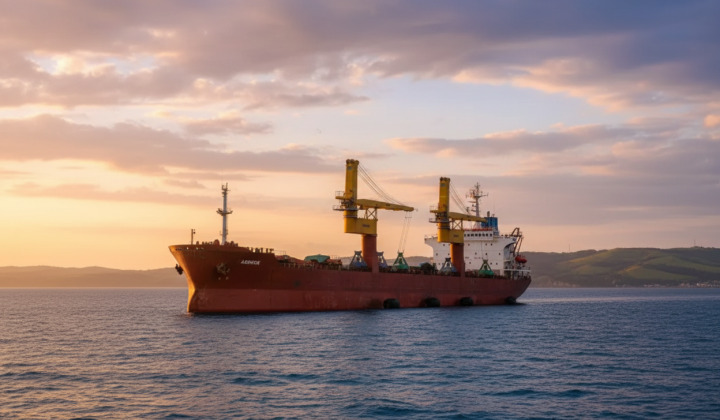
The ABINSK Ship and Grain from Occupied Territories
According to Главком: Despite urgent appeals from Ukraine to confiscate its cargo, Israel has allowed the Russian vessel ABINSK, loaded with grain, to depart the port of Haifa. The ship had been docked since receiving permission to enter on April 14th, after awaiting a decision since March 23rd. Ukrainian authorities assert the grain onboard was harvested from territories under temporary Russian occupation, a claim that places significant diplomatic pressure on Israel.
On April 16th, Ukraine's Ministry of Foreign Affairs formally called for the seizure of the grain shipment, with senior officials demanding Israel confiscate the wheat cargo. Israeli authorities were reportedly aware of the vessel and its controversial cargo for approximately two weeks prior to its arrival. This incident highlights the complex challenges of enforcing sanctions and upholding international law regarding resources from conflict zones.
In a related diplomatic move, Ukrainian President Volodymyr Zelenskyy held talks with Egyptian President Abdel Fattah el-Sisi, where they discussed grain exports. A key outcome was Cairo's declaration that it will no longer accept Russian-exported grain originating from Ukraine's temporarily occupied territories.
Reactions to Israel's Decision
According to Gideon Sa'ar, detaining the ship is no longer possible as it has already left Haifa. This decision has provoked anger in Kyiv, where officials insisted on halting the export of what they believe is grain illicitly sourced from Russian-controlled Ukrainian land.
This situation underscores the ongoing strain in Ukraine-Israel relations, particularly within the context of the war in Ukraine and the broader landscape of international support.
Meanwhile, Egypt's refusal to accept Russian grain from occupied territories may signal a shift in regional policy and approaches to food security. Israel's subsequent actions in this matter could significantly impact its relationship with Ukraine and its standing within the international community.
This incident has intensified calls from Ukrainian officials for action against such shipments, as highlighted in a recent report where Ukraine demands the seizure of a Russian vessel carrying allegedly stolen grain. The diplomatic repercussions of Israel's decision are likely to ripple through international relations, particularly as Ukraine seeks to safeguard its agricultural resources amid ongoing conflict.

Read also