How convectors for home heating replaced huge radiators?

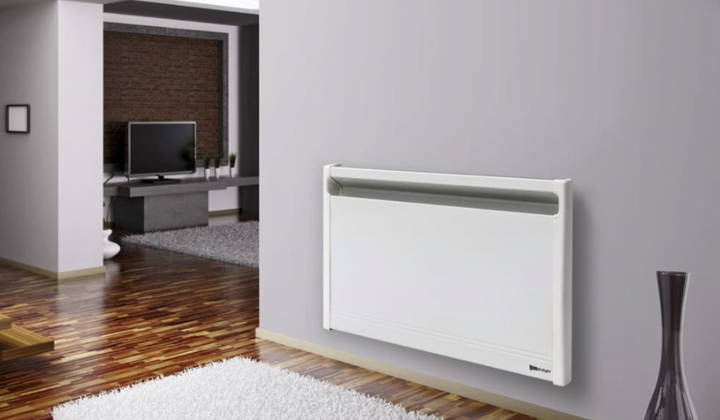
Heating a house is one of the most challenging tasks. After all, in this case, one must consider the constant temperature outside, humidity inside, and even the area of the room. This is why compact convectors have come to replace bulky heaters.
Speaking of a convector as a full-fledged replacement for heating, it is worth mentioning the incredible variety of such equipment available on the modern market. A good example is https://www.foxtrot.com.ua/ru/shop/konvektory.html, where you can find a convector of any power and price category. However, you will still have to choose, as different devices provide different efficiency.
What are convectors for?
Understanding the niche that convectors occupy in the equipment market, it is important to immediately define the purpose of such a device. Convectors operate on the principle of convection: they heat the air inside them, making this air lighter, which then rises, cools down, and descends. This creates air circulation in the room, ensuring an even distribution of heat.
The operating principle of a convector is simple, but this does not diminish its effectiveness. As for the device itself, it has a 'calm' design:
- Usually, the convector's casing is made of metal or plastic with almost no details (simple design).
- Regarding the heating element, it is typically an electric component that converts electrical energy into heat.
- Some models of convectors are also equipped with fans to enhance air circulation and distribute heat more quickly.
- Convectors can be equipped with a thermostat for automatic temperature regulation in the room or a timer.
Overall, there is nothing magical about the convector, but it is reliable and lasts a long time without the need for accompanying repairs.
How to choose a convector for the home?
Convectors come with standard equipment and additional functions (such as a thermostat and timer). This is mainly what determines the price of the device.
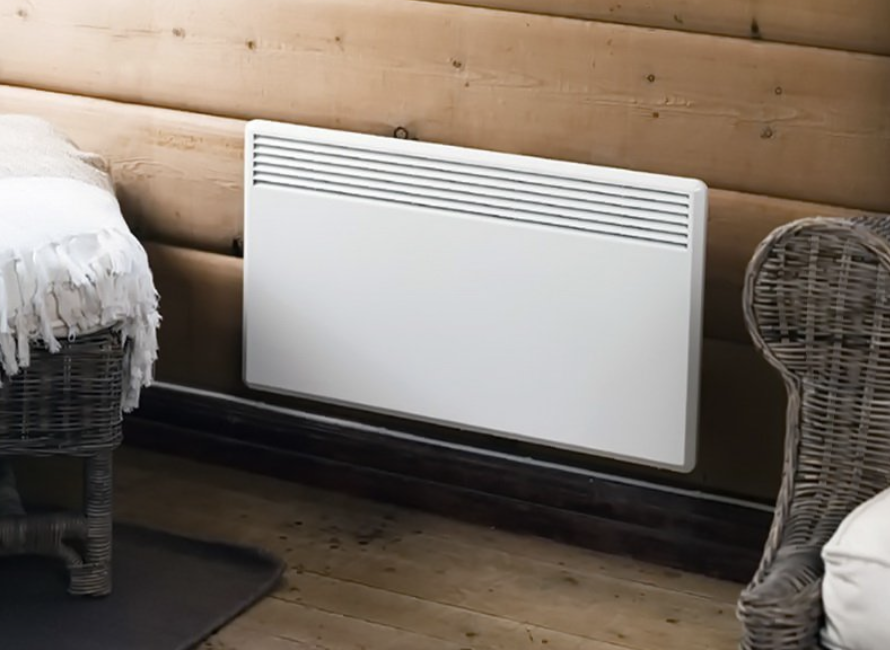
How to choose a convector for the home:
- Power. It depends on the size of the room that needs to be heated. Usually, a power of about 100 W per square meter of space is sufficient.
- Electric convectors have different types of heating elements. This affects the type of connection and overall expenses, for instance, in terms of electricity.
- It is also advisable to consider the dimensions of the room and the available space for placing the convector. You may also want to pay attention to the design of the convector.
When choosing a convector, it is essential to consider additional features that will simplify its operation.