How to switch a cat to wet food?

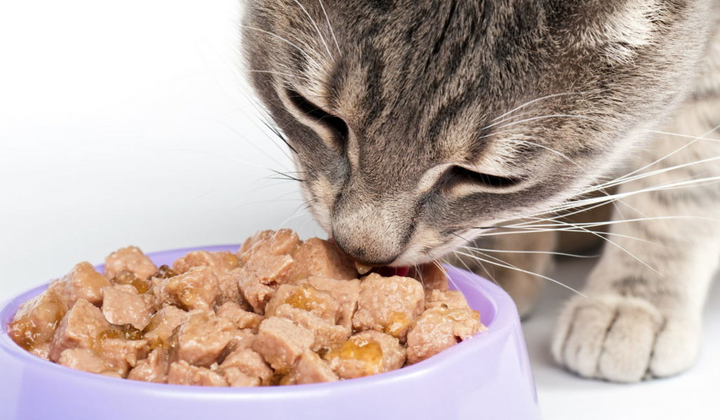
Nutritious balanced food is important not only for human health but also for pets, particularly cats. The beneficial substances that cats obtain from food influence almost all processes in the body. This includes heart, kidney, and liver function, muscle and bone growth, skin and fur condition, and metabolism. When you go to a pet store to buy cat food, you can choose treats for your furry friend according to their individual needs.
Which foods should never be given to cats?
There is an opinion that a cat chooses the food that suits them and will be beneficial. Therefore, owners often treat their fluffy companions with food they eat themselves. However, most products are very harmful to a cat's health. Let’s discuss some of them.
- Milk and dairy products. Lactose found in cow's milk is not absorbed by the animal's body and can cause diarrhea and vomiting.
- Raw meat poses a major danger to pets – parasites. Cats should not be given pork as fatty meat negatively affects the animal's liver and promotes obesity.
- Fish is very harmful to sterilized animals. Eating fish can cause urolithiasis. Exceptions are special fish-based foods where the amount of fish is minimal and balanced with other beneficial ingredients.
- Most vegetables and fruits, including garlic, onions, potatoes, tomatoes, spinach, and grapes. Such products negatively affect the animal's kidneys, potentially leading to organ failure.
- Smoked foods, sweets, fried foods, and spices are categorically contraindicated for cats. Such products harm the animal's body.
It’s worth noting that food labeled for cats does not always have a quality and balanced composition. High-quality cat food has a high content of meat products, an ideal balance of proteins, carbohydrates, healthy fats, vitamins, and minerals.
How to switch a cat to wet food painlessly?
If you have decided to switch your furry friend, who previously ate only dry food, to wet food, you need to take the following steps.
- Start small. Mix a small amount of wet food with the main portion of dry food. Over time, the amount of wet food should gradually increase.
- Monitor your furry friend’s well-being and reaction to the new food. Seek professional help if necessary.
- Gradually replace one dry food meal with wet food. If your cat does not resist this change, you can successfully switch your pet to wet food.
- Do not forget the importance of hydration. Even if your furry friend is eating wet food, they should drink enough water.
In completing the transition, you will give your cat the opportunity to enjoy tasty and healthy food while remaining happy and healthy. If you are unsure about choosing quality food for your pet, reach out to the managers of the online store Petslike.