How to Properly Store Tires

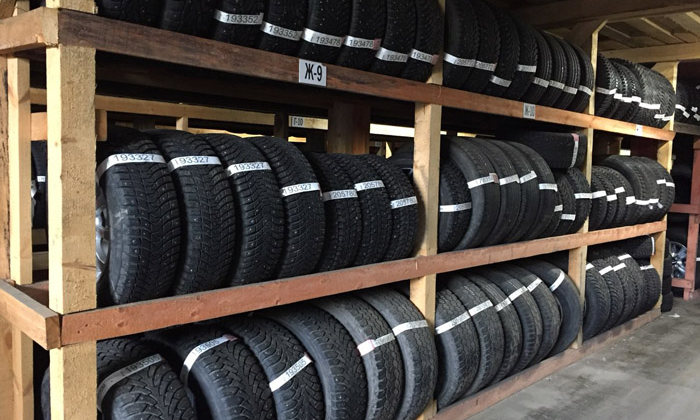
For Ukrainian drivers traversing difficult roads at different times of the year, proper tire storage is as important as timely replacements. The summer heat and winter frost, rain and snow – all these factors affect the condition of the rubber. Therefore, when the time for seasonal replacement comes, one must ensure that off-season tires https://atl.ua/shiny/legkovye survive this period without losing their properties. For the longevity of the tires and the safety of your driving during the next use depend on proper storage.
Why Tire Storage is So Important
Tires are not just rubber rings. They are complex engineering products designed to provide optimal grip on the road under various weather conditions. The rubber compound from which they are made has a specific structure and chemical composition intended to work within a certain temperature range.
Excessive heat (for example, on a sun-baked balcony) can lead to rubber drying out, loss of elasticity, and cracking. Excessively low temperatures (cold garage without heating) can make the rubber hard, worsening grip on the road during the first use after storage.
Improper storage (for example, stacking them on top of each other) leads to the appearance of "flat spots" on the tread, reducing the contact area with the road and decreasing vehicle control.
Prolonged exposure to ultraviolet light, oils, fuels, or solvents can damage the rubber and shorten the lifespan of the tires.
If your tires are already unusable, the best solution is to replace them at atl.ua.
Preparing Tires for Storage
Before sending the tires into well-deserved retirement, they need to be prepared. Here are a few simple steps:
- Remove dirt, stones, brake pad residue, and similar from the tread and sidewalls of the tires. Use a soft brush and soapy water for this purpose. Rinse the tires thoroughly and let them dry completely.
- Before storage, adjust the tire pressure to the manufacturer-recommended level. This will help maintain their shape and prevent deformation.
- If you have two sets of tires, make markings to easily identify which ones are for summer and which are for winter. This will save you time the next time you need to change tires on your car.
- Using special tire covers will protect them from dust, dirt, and sunlight. However, this is not mandatory if other storage rules are followed.
Storing Location for Tires
Now that the tires are clean and prepared, it is necessary to decide where to store them. The ideal temperature range for storing tires is from +5 °C to +25 °C. Avoid locations with sharp temperature fluctuations. The optimal humidity level is around 50%. Excessive dampness can lead to mold and fungi on the tires, as well as contribute to the corrosion of metal components (if the tires are stored with rims). Direct sunlight is harmful to rubber, so it is advisable to store tires in a dark place. If possible, ensure good ventilation in the tire storage area. This will help prevent the development of condensation and unpleasant odors.
Tire Storage Options
- The garage is the most common option for tire storage. If your garage is dry, ventilated, and not subject to extreme temperatures, it will be an excellent place for tire storage.
- A basement can be a good option if it meets the aforementioned conditions. However, remember that basements can have a high humidity level, so it is important to ensure good ventilation.
- Some tire service centers offer tire storage services. This can be a convenient option if you have no space to store tires at home. However, before using this service, compare prices and ensure that the storage conditions meet your requirements.