How to Choose a Water Filter

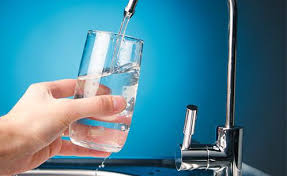
When choosing which water filter to buy, several important aspects must be considered to ensure effective purification and safety of drinking water. The first step is to determine the types of contaminants that need to be removed from the water. Different filters have varying degrees of purification and are designed to remove specific types of contaminants. For example, activated carbon filters effectively remove chlorine and organic substances, while reverse osmosis systems can purify water from salts and minerals.
The second important criterion is the performance of the filter. That is, how much water it can purify over a certain period. When choosing a filter, it is necessary to assess the amount of water consumed in the home and choose a filter with corresponding performance. This will ensure a constant and reliable water supply without compromising water quality.
The third important aspect is the convenience of use and maintenance of the filter. A good filter should be easy to install and have a simple system for replacing filtering elements. It is also desirable for the filter to have indicators of condition and operability that allow for timely maintenance and replacement of elements. The convenience of using the filter significantly facilitates its operation and maintenance of water quality in the home.
Installation and Maintenance of the Water Filter
The installation and maintenance of the water filter play a key role in ensuring its effective operation and longevity. Before installing the filter, it is necessary to properly prepare the location for its placement and ensure all necessary components are available. Then, one should follow the installation instructions provided by the manufacturer. It is important to ensure that the filter is installed on a stable surface and correctly connected to the water supply system.
After the filter is installed, it is necessary to conduct regular maintenance. This includes replacing filtering elements according to the manufacturer's recommendations, cleaning the filter housing from deposits, and checking all connections for tightness. Regular maintenance enables the filter to maintain high efficiency and prevent possible breakdowns and failures.
Moreover, it is essential to monitor water quality after the filter installation. It is recommended to periodically test the water for various contaminants and compare the results with drinking water quality standards. If necessary, adjust the operation of the filter or carry out additional purification procedures. Annual preventive maintenance and technical servicing of the entire water supply system are also recommended to ensure reliable and safe operation.
Choosing the Installation Location for the Water Filter
The proper choice of location for installing the water filter is crucial for its effective operation and ease of use. First of all, it is necessary to select a place where the filter will be accessible for maintenance and replacement of filtering elements. Ideally, choose a location near the water entry point into the house to simplify the connection to the water supply system.
Additionally, it is important to consider spatial constraints and environmental conditions. The water filter should be installed on a stable surface free from vibration. It is also desirable to shield it from direct sunlight and moisture to prevent damage to the equipment.
It is also important to consider accessibility for regular maintenance. The installation site of the filter should provide easy access to the housing and filtering elements for replacement and cleaning. This will help keep the filter in good condition and ensure reliable and quality water supply in the home.