Calabria Offers 50 Homes Rent-Free for a Decade with Renovations Covered by Authorities

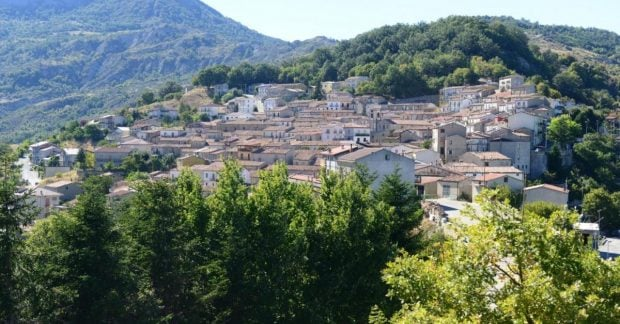
Introduction of the 'Ripopola Calabria' Initiative
According to УНІАН — Туризм: The regional government of Calabria, Italy, has unveiled the 'Ripopola Calabria' program, which grants 50 houses rent-free for a period of 10 years. This initiative aims to attract new residents and combat the ongoing depopulation of rural villages. The authorities will fully fund renovations, with a ceiling of €280,000 allocated for each property. Interested applicants must submit their requests by December 18, 2026, meeting specific eligibility criteria.
Eligibility and Application Details
Applications are open to adults who have lived outside Calabria for at least three years and are willing to relocate permanently. Individuals who have previously received state housing assistance are not eligible. Priority will be given to:
- young couples,
- families with children,
- remote workers,
- self-employed individuals,
- cultural professionals,
- persons with disabilities,
- Calabrians planning to return to their hometowns.
Applicants can select up to three houses in order of preference. Submissions must be made through the official program portal, requiring digital identification such as SPID, electronic residence permits, or the eIDAS system. It is important to note that the houses will be provided under a rent-free usage agreement for ten years and will not be transferred as ownership. Residents must maintain permanent registration at the property throughout the duration.
Using the homes for tourism-related activities or subletting is strictly prohibited. Renovations need to be completed within 18 months after signing agreements with local municipalities. Although furniture is not included in the renovation budget, funds cover up to €2,000 per square meter for restoring the properties. Once renovations are finished, the homes will be handed over to the new occupants.
This program is part of Calabria's broader strategy to address the demographic crisis affecting many Italian rural areas. By encouraging new inhabitants to settle, the region hopes to revive its cultural heritage and stimulate economic development. Supporting young families and professionals is viewed as a vital step toward population recovery and enhancing local social services.

Read also