China Develops 600 MW Compressed Air Energy Storage System to Challenge Lithium-Ion Batteries

Breakthrough in China's Compressed Air Energy Storage Technology
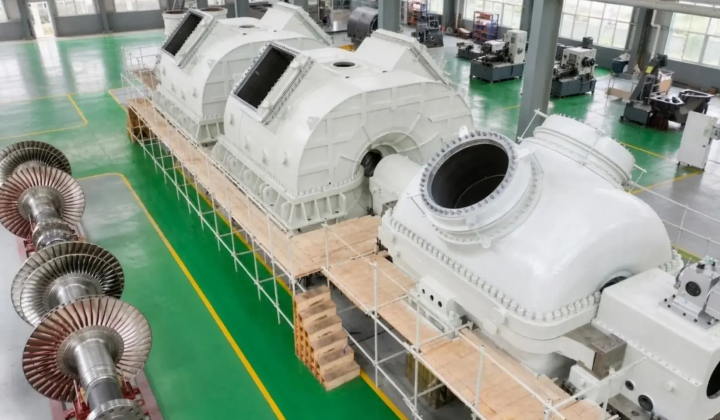
According to НВ — Техно: China has engineered a groundbreaking 600-megawatt compressed air energy storage (CAES) system, marking the world's first of its kind at such a scale. This colossal industrial "air battery" aims to replace lithium-ion batteries by lowering electricity costs and improving the efficiency of energy grids. The project is a collaboration between the Chinese Academy of Sciences’ Institute of Engineering Thermophysics and the company Zhongchu Guoneng.
How the System Operates
The CAES system stores excess electricity by compressing air and pumping it underground or into large reservoirs. When electricity demand peaks, the pressurized air is released through turbines to generate power. The latest testing phase confirmed that the system met or exceeded all performance targets. Originally designed for 300 megawatts, its capacity has now doubled to 600 megawatts. This enhancement can reduce electricity costs by 20 to 30 percent and increase overall system efficiency by 3 to 5 percent.
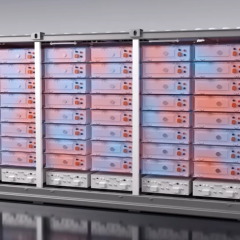
Unlike lithium-ion batteries, compressed air storage uses materials like steel, concrete, and subterranean cavities, eliminating fire hazards. It also boasts a lifespan of 30 to 40 years-significantly longer than lithium-ion batteries, which typically degrade after 15 years. Currently, lithium-ion batteries dominate approximately 96 percent of China’s new energy storage market, while compressed air systems represent just 0.9 percent.
By mid-2026, China's total CAES capacity is expected to reach between 1.3 and 1.5 gigawatts, with major facilities located in Shandong, Hubei, and Jiangsu provinces. This innovation could play a pivotal role in reducing reliance on conventional battery technologies and enhancing energy storage performance nationwide.
Advances in energy storage are crucial for supporting renewable energy adoption, as they allow surplus power to be saved for times of high demand. Compressed air energy storage offers a durable and safer alternative to traditional batteries, potentially transforming the energy storage landscape both within China and globally.
As China continues to innovate in energy storage solutions, another remarkable advancement has emerged in the form of a hydro generator powered by lotus and bacteria. This technology demonstrates the potential for renewable energy sources to run electronics for extended periods, further highlighting the shift away from traditional battery systems. To explore how this innovative generator operates and its implications for the future of energy, read more about it here.

Read also