Canada Affirms NATO Commitment in Eastern Europe as EU and Alliance Shape Security's Future

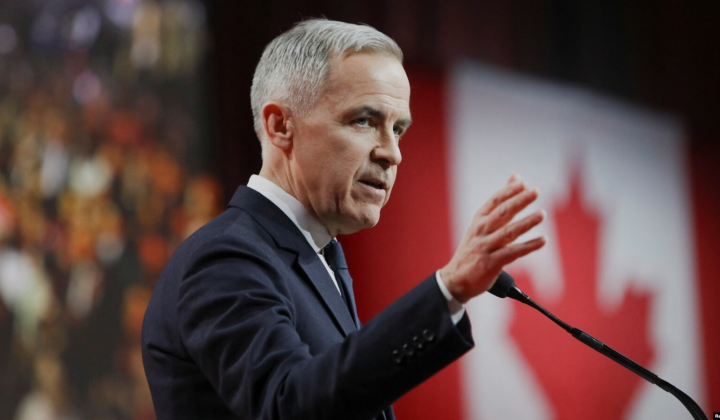
Canada’s Stance on European Security
According to Рубрика — Політика: Canadian Prime Minister Mark Carney emphasized that the future of Europe’s security framework should be determined by European nations and NATO, not Russia. He reaffirmed Canada’s ongoing support for its allies, highlighting the continued deployment of 2,500 Canadian troops in Latvia leading a NATO multinational brigade on the alliance’s eastern flank.
In his statement, Carney declared:
'The security framework of a free Europe will be shaped by a free Europe and NATO, not by Russia or revised Minsk agreements.' – Mark Carney
Against this backdrop, Russia has presented a series of demands, including:
- The withdrawal of NATO forces from the Baltic countries and Poland;
- Return of NATO troops and military bases to their 1997 borders;
- France and the United Kingdom renouncing the option to use nuclear weapons to defend other European nations.
These demands were voiced by the Russian delegation during talks in Abu Dhabi. U.S. Senate Intelligence Committee Chair Tom Cotton dismissed them as unreasonable, stating that further negotiations with Russia are pointless until President Vladimir Putin acknowledges defeat in Ukraine.
Carney also rejected the notion of a cordon sanitaire-a geopolitical buffer zone of allied states designed to isolate a perceived threat-remarking, "Everyone knows how well that idea worked out in the 1940s."
In response to Russia’s propositions, representatives from the EU and the U.S. firmly oppose any alterations to Europe’s security architecture based on Moscow’s conditions.
Rising Tensions Between Russia and the West
The security situation in Europe remains highly strained, with Canada and its allies maintaining a firm stance against Russia’s demands. Canada continues its military presence in Eastern Europe to uphold NATO’s position and safeguard European stability.
This ongoing dynamic highlights increasing friction between Russia and Western nations, especially amid the persistent conflict in Ukraine. Moscow’s demands appear aimed at weakening NATO’s foothold in Eastern Europe; however, the resolute response from Canada and its partners underscores their commitment to regional security. The progression of negotiations and actions from both sides will significantly influence Europe's geopolitical landscape, making these developments critical for the global community to monitor closely.
As tensions escalate in the region, Russia has laid out a series of demands that could reshape the European security landscape. This situation closely mirrors other geopolitical maneuvers, such as Moscow's recent propositions regarding NATO's influence in Finland and Moldova. Understanding these developments is crucial for grasping the broader implications for security in Europe.

Read also