Frame Houses: The Perfect Combination of Price and Quality

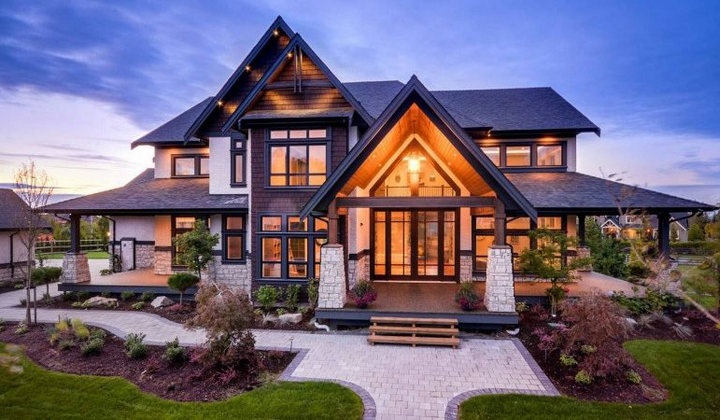
Frame construction is gaining more and more popularity worldwide due to its economy, efficiency, and flexibility. Unlike traditional construction methods, modern frame houses offer quick assembly and a wide range of design solutions, making them an ideal option for those seeking innovative and affordable housing solutions.
Economic Benefits of Frame Construction
The economic benefits of frame construction lie not only in the initial savings on materials and labor but also in the long-term perspective of reduced maintenance and operating costs for such a house. This aspect makes frame houses particularly attractive to a wide range of investors and homeowners looking to optimize costs without sacrificing housing quality.
Initial Cost Savings
Compared to traditional construction technologies, such as brick or concrete construction, frame construction requires fewer materials, which directly impacts the overall project cost. Additionally, considering the relative simplicity of assembling frame structures, the construction time is significantly reduced, and, accordingly, labor costs.
Reducing Maintenance Costs
The high energy efficiency of frame houses, achieved through optimal insulation and tightness of the structures, contributes to significant reductions in heating and cooling costs. Modern materials used for insulation provide a high level of heat retention, allowing energy consumption to be reduced and, accordingly, utility expenses.
Ease and Accessibility of Repairs
The frame structure of houses also simplifies repairs and renovation work. In case of damage or the need to modernize certain elements of the building, repair work can be done quickly and with minimal costs. This is made possible by the modularity of the structures and the availability of the materials used.
Durability and Strength of Frame Structures
The durability and strength of frame structures are determined not only by the choice of high-quality materials but also by the use of advanced technologies in their design and construction. Modern frame houses designed with the highest quality standards demonstrate an impressive ability to withstand extreme loads, making them a reliable choice for living in any climate.
Use of Advanced Construction Technologies
Innovative construction technologies, such as computer modeling and precise component manufacturing, ensure high accuracy in the production of frame elements. This allows for maximum coherence of the entire structure, significantly increasing its resistance to mechanical damage and ensuring the building's durability.
Use of Quality Materials
Only the best materials capable of resisting corrosion, rot, and pest infestation are used in the construction of frame houses. Modern finishing materials and protective coatings additionally shield the wooden frame from moisture and ultraviolet rays, prolonging the building's lifespan.
Resistance to Climatic Conditions
Frame houses are designed with the specific climatic conditions of the region where they are built in mind. The use of flexible design solutions allows them to effectively withstand strong winds, heavy snow loads, and seismic activity. This adaptation to local conditions provides additional safety and comfort for residents.
Energy Efficiency of Frame Houses
The energy efficiency of frame houses is becoming an increasingly important aspect in today's world, where resource conservation and environmental protection are of particular significance. The use of innovative solutions in design and construction allows for a significant reduction in the energy consumption of the house, making it more sustainable and economically advantageous for the owner.
Effective Thermal Insulation
The foundation of the high energy efficiency of frame houses is quality thermal insulation. The use of modern insulation materials, such as mineral wool or polystyrene, minimizes heat loss in winter and prevents excessive heating in summer. This approach ensures an optimal microclimate inside the house, reducing the need for additional heating or cooling.
Optimizing the Ventilation System
A rationally designed ventilation system is another key element ensuring the energy efficiency of the frame house. Modern heat recovery systems allow for the use of heat from exhausted air to warm fresh air, reducing the overall energy need for heating. This not only improves indoor air quality but also provides additional savings on heating.
Utilization of Solar Energy
The integration of solar panels and other renewable energy utilization systems into the design of the frame house can further enhance its energy efficiency. Such systems not only help meet the house's electricity needs but can also generate surplus energy for sale or use for other purposes.