The Enduring Relevance of Carl von Clausewitz's Theory of War

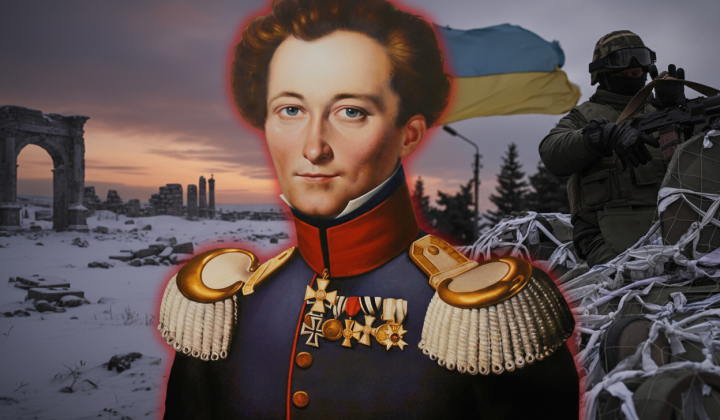
The Timeless Principles of Carl von Clausewitz
According to Главком: Carl von Clausewitz, the renowned Prussian military theorist born in 1780 in Burg near Magdeburg, remains a towering figure in strategic thought. His seminal work, 'On War', published posthumously, continues to shape the understanding of military conflict and strategy in the modern world. Clausewitz rose from a cadet to a general, gaining extensive experience in numerous campaigns, and his core ideas retain profound relevance for analyzing contemporary warfare.
He began his military career at the age of 13 as a cadet, participated in the Battle of Waterloo, and was promoted to major in 1810, a rank from which he taught strategy and tactics. His career reached a pinnacle in 1818 when he attained the rank of major-general. Clausewitz died in 1831 during a cholera epidemic, yet his intellectual legacy lives on through his writings.
Clausewitz's theories gained widespread recognition following the German victory in the Franco-Prussian War of 1871, becoming a cornerstone for developing modern military strategy. However, as noted by von Rüstow,
“He is often quoted, but seldom read.”
This observation underscores that his influential ideas are sometimes adopted superficially without deep engagement. His perspective on disarmament and conflict is equally pointed:
“I reject the childish hope of mollifying a tyrant's wrath through voluntary disarmament.”
These words illustrate his grasp of the intrinsic nature of war and politics, concepts that remain acutely pertinent today.
The Far-Reaching Influence of Clausewitz's Concepts
Often regarded as the philosopher of war, Clausewitz's concepts have applications extending beyond the military sphere into fields like business, management, and economics. Modern strategic thinking in various domains frequently draws upon his foundational ideas. From cadet to general, Clausewitz left an indelible mark on military theory, and his works continue to inspire new generations of analysts and strategists.
Studying Clausewitz's ideas can aid contemporary military and political leaders in better understanding the dynamics of modern conflicts and strategic planning. His concepts, such as the 'fog of war' and the intrinsic link between political objectives and military action, remain vital for analyzing global threats and challenges. In an era of constant geopolitical shifts, the framework provided by Clausewitz serves as a valuable tool for formulating effective responses to contemporary security dilemmas. His work is considered essential reading for anyone seeking to comprehend the complex interplay of force, policy, and chance in human conflict.

Read also